
Tel: +86-577-86801027 / E-mail: cooper@lianhevf.com
Stainless Steel Fitting
- All
- Product Name
- Product Keyword
- Product Model
- Product Summary
- Product Description
- Multi Field Search
Views: 0 Author: Site Editor Publish Time: 2025-04-16 Origin: Site
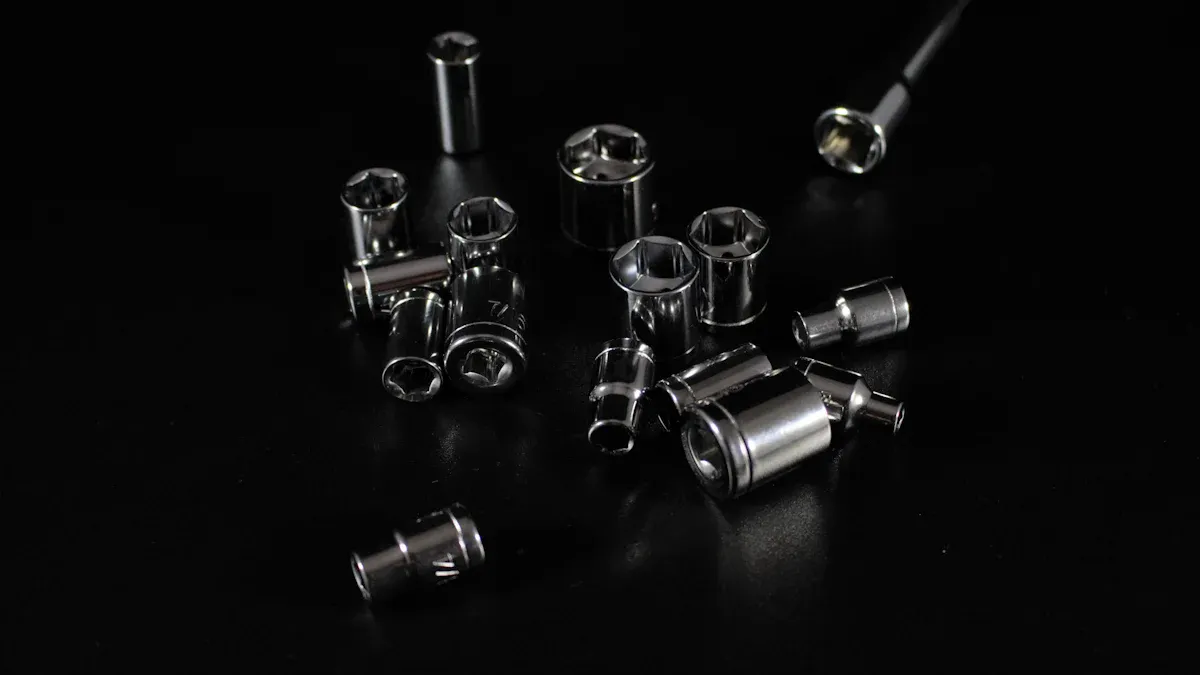
When you pick stainless steel fittings, you get strong parts. They last a long time and do not rust. They also work in many places. The table below shows why these fittings are better than brass or plastic ones:
| Reason | Explanation |
| Ultimate Corrosion Resistance | Stainless steel does not rust or break down. This makes it great for tough places. |
| Washdown Ready (Hygiene) | These fittings can handle strong cleaning. They also meet FDA rules for safety. |
| High-Temperature & Pressure | They stay strong when it is very hot or under pressure. Plastic or brass cannot do this. |
You can find stainless steel fittings in homes and factories. More people use them now because they trust them for hard work. The market keeps getting bigger.
Stainless steel fittings do not rust or corrode easily. This makes them great for hard places like plumbing and factories.
These fittings are very strong and last a long time. They can handle very hot or cold temperatures and high pressure better than brass or plastic.
Picking stainless steel fittings can help you save money over time. They do not need much fixing and last longer.
Stainless steel is simple to clean and follows strict cleanliness rules. This makes it good for food and medical uses.
Buying stainless steel fittings keeps things safe and follows the rules. It helps stop your systems from getting dirty.
You want fittings that stay strong when you need them most. Stainless Steel Fittings give you high mechanical strength and keep their shape under stress. When you compare them to brass or plastic, you see a big difference in how much force they can handle.
Stainless Steel Fittings have a tensile strength between 515 and 620 MPa. Brass fittings only reach 338 to 469 MPa.
These fittings can handle pressures up to 10,000 psi. Some types go as high as 20,000 psi.
Brass fittings often deform or lose their seal when you use them in high-vibration or high-stress places. Stainless steel keeps its structure and does not bend easily.
Tip: If you work in places with lots of vibration or pressure, pick stainless steel. You get better safety and fewer leaks.
Here is a table that shows how different materials compare:
| Material | Pressure Rating (PSI) | Tensile Strength (MPa) |
| Stainless Steel 304 | Up to 6,000 | 515 - 620 |
| Stainless Steel 316 | Up to 10,000 | 515 - 620 |
| Brass | Up to 3,000 | 338 - 469 |
Stainless Steel Fittings also work well in extreme temperatures. You can use them in boilers, steam systems, and industrial pipelines. They keep their strength even when things get very hot or cold.
You want your fittings to last for years, not just months. Stainless Steel Fittings give you long-term value because they resist wear and tear. Most fittings made from stainless steel last between 70 and 100 years in homes and factories. If you use grade 316, you can expect them to last even longer with proper care.
In homes, these fittings often last 70-100 years with regular maintenance.
In factories, grade 316 can last over 100 years if you take care of it.
Note: Regular inspections and picking the right alloy help prevent problems like pitting or corrosion fatigue. This keeps your system safe and working well.
Here is a table that shows common problems and how you can prevent them:
| Failure Mode | Prevention Methods |
| Pitting | Pick the right alloy |
| Crevice Corrosion | Avoid crevices |
| Chloride Stress Corrosion | Qualify welds |
| Microbiologically Induced | Run routine inspection and maintenance |
| Corrosion Fatigue | Regular maintenance and inspections |
Stainless Steel Fittings use alloys like 304 and 316. Grade 304 works well for general use and food processing. Grade 316 gives you better protection in places with chemicals or saltwater, like marine or pharmaceutical settings.
Choosing stainless steel means you get fittings that last, stay strong, and keep your system safe for decades.
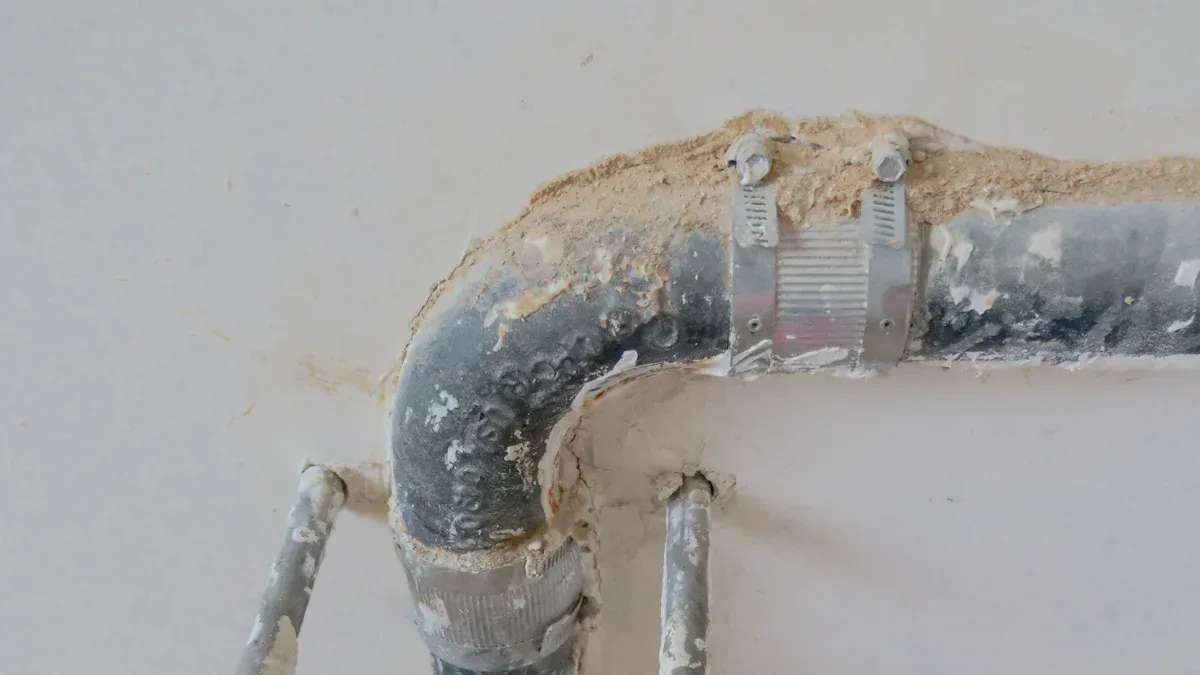
You want fittings that do not rust, even in hard places. Stainless steel fittings are special because they have a thin chromium oxide layer. This layer fixes itself if it gets scratched. That means the fittings keep fighting rust. You can use them in plumbing and outside. They work well in wet or salty places, like near the ocean.
Here is a table that shows how stainless steel and galvanized steel do in marine places:
| Material | Corrosion Resistance | Durability in Marine Environments |
| Stainless Steel | Makes a chromium oxide layer that fixes itself. This gives great protection from rust and strong chemicals. | Best choice for marine use because it resists rust very well. |
| Galvanized Steel | Uses a zinc coating that wears off over time, especially in saltwater. This lets rust form. | Does not last long; rust can show up in 3-5 years in tough places. |
Stainless steel fittings use their mix of metals to stop rust. The chromium makes a shield that blocks water and chemicals. Galvanized steel uses a zinc layer, but it goes away after a while. In rough places, you see rust on galvanized steel much faster than on stainless steel.
Tip: If you need fittings for outside or near the sea, pick stainless steel. They last longer and do not rust as fast.
You need fittings that can handle chemicals and water without breaking. Stainless steel fittings work well with strong cleaners, acids, or salty water. The special layer on the steel keeps out bad stuff.
Stainless steel does not rust or break down easily. It works well where there is water, chemicals, or harsh things.
Chromium makes a shield on the steel. This stops rust and damage.
This shield keeps the fittings safe from water and chemicals.
Tests show how stainless steel fittings do in real life. Scientists put welded stainless steel fittings in well water for a year. Fittings with heat treatment did not get rusty or pitted, even with lots of germs. Fittings without this treatment had some rust near the welds. If you pick fittings with good finishing, you get even better safety.
Stainless steel fittings do not rust in water, chemicals, or with cleaning agents.
Fittings with heat treatment and pickling get less rust, even after a long time.
You can use these fittings in food factories, chemical plants, and places with strong cleaning.
Certifications also show that stainless steel fittings are good. You can look for rules like ASTM A403 WP316, ASME B16.9, and ASME B16.11. These rules make sure the fittings fight rust and work well.
| Standard/Certification | Description |
| ASTM A403 WP316 | Checks the quality and how well stainless steel fittings work. |
| ASME B16.9 | Sets the size and shape for fittings. |
| ASME B16.11 | Covers socket-welding and threaded fittings. |
NSF/ANSI 61: Checks that parts for drinking water do not have lead.
NSF/ANSI 372: Makes sure the fittings follow lead-free rules.
Note: When you pick stainless steel fittings, you get strong safety from rust, chemicals, and water. You also meet safety rules for your system.
You want fittings that stay clean and safe. Stainless steel fittings help you do this. Their smooth, non-porous surfaces make cleaning simple. You can wash them with strong chemicals or use high-pressure water. They do not trap dirt or bacteria. This means you spend less time scrubbing and more time working.
In food processing, you need to meet strict rules. Stainless steel fittings let you use harsh cleaners without damage. They resist corrosion, so you do not worry about rust or stains. Plastic fittings cannot handle these tough cleaning jobs. They may crack or wear out. Brass fittings can tarnish and lose their shine. Stainless steel fittings keep their look and strength, even after many cleanings.
Tip: Choose stainless steel if you want fittings that are easy to sterilize and meet FDA and USDA standards.
You need fittings that protect your health and safety. Stainless steel fittings work well in places where cleanliness matters most. You see them in hospitals, labs, and food factories. These fittings stop bacteria from hiding in cracks or seams.
They use grades like 316L, which have smooth finishes inside.
Many have mirror polish surfaces. This makes it hard for bacteria to stick.
You can clean them in place, so you do not need to take them apart.
Some new coatings make stainless steel even better. Researchers found that special adhesives can give the surface antibacterial power. This helps keep your system even safer.
Stainless steel is also good for the planet. You can recycle it many times without losing quality. This makes it a smart choice for both health and the environment.
Note: When you use stainless steel fittings, you lower the risk of contamination and make cleaning easier. You also help keep your system safe for everyone.
You want fittings that do not need much care. Stainless steel fittings help you save time and money because they resist rust and damage. You do not have to paint or coat them often. Cleaning is easy. You can use simple supplies and basic tools. You do not need special treatments or expensive repairs.
Look at how maintenance costs compare over ten years:
| Material | Maintenance Cost over 10 Years |
| Aluminum | $200 - $600 |
| Stainless Steel | $200 - $600 |
| Wrought Iron | $500 - $2,000+ per cycle |
Stainless steel and aluminum fittings only need basic cleaning and small repairs. Wrought iron fittings cost much more. You must check them often, clean them, and repaint them. This adds up over time.
Tip: If you want to spend less on upkeep, choose stainless steel. You will not worry about rust or peeling paint.
You want your investment to last. Stainless steel fittings give you strong value because they last for decades. You do not need to replace them often. Brass fittings need more care and repairs. Stainless steel stays strong and safe.
Here is a table that shows the difference:
| Material | Maintenance Costs | Durability |
| Stainless Steel | Low | Lasts for decades |
| Brass | Higher | Needs frequent maintenance |
You save money over time. You do not pay for new parts or extra labor. You also avoid problems like leaks or breaks. Stainless steel fittings keep your system working well for many years.
Note: When you choose stainless steel, you make a smart choice for your budget and your peace of mind.
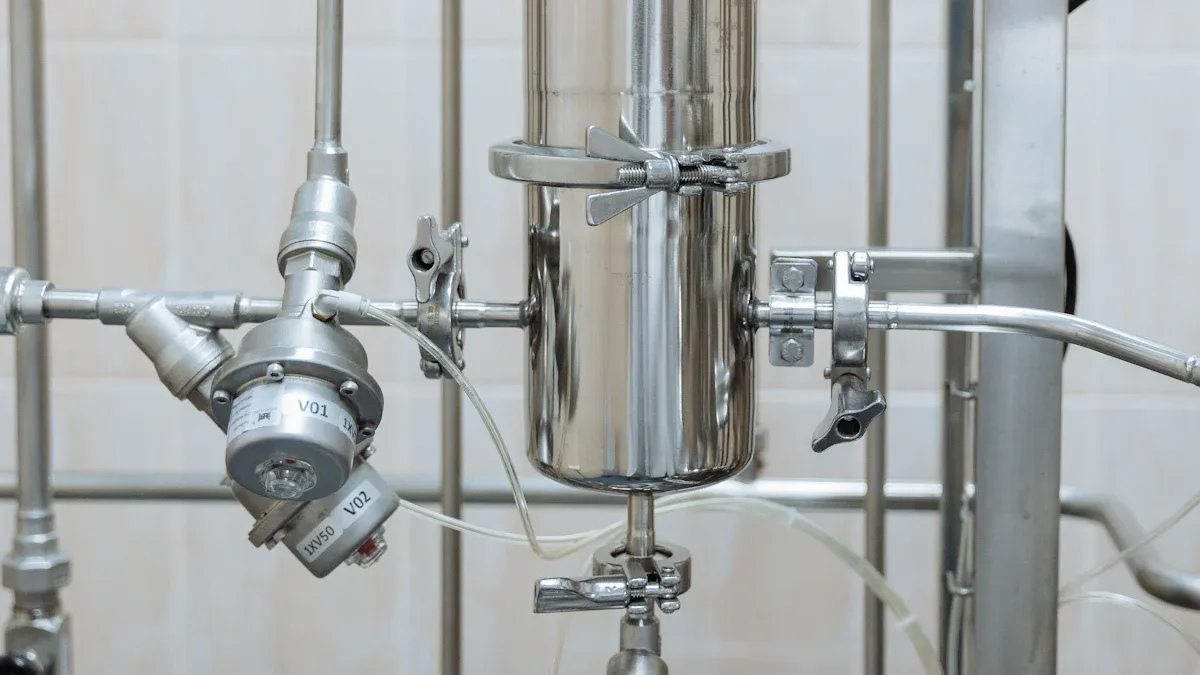
Stainless steel fittings are found in homes and businesses. They work well for water well plumbing. You can use them for drinking water systems. They also fit non-potable water systems. These fittings do not rust or leak easily. You see them in places where safety matters. Schools and hospitals use them for clean water.
Used for plumbing in homes and offices
Good for non-potable water systems
Common in schools, hospitals, and commercial buildings
Tip: Pick stainless steel fittings if you want safe plumbing that lasts.
Factories need strong fittings for hard jobs. Stainless steel fittings are tough and resist chemicals. They last longer than brass in wet places. You see them in water plants and shipbuilding. They handle high pressure and heat without breaking. Grade 316 works best in rough places like mines or textile factories.
Best for hydraulic systems because they are strong
Last longer than brass or plastic under heavy use
Used in water treatment, shipbuilding, mining, and textile work
| Application Area | Why Stainless Steel Fittings Work Well |
| Hydraulic Systems | Resist chemicals and high pressure |
| Industrial Plants | Handle moisture and temperature changes |
| Shipbuilding | Fight corrosion from saltwater |
Stainless steel fittings work in many places. You can use them in oil and gas pipelines. They fit food and drink factories too. They also work with harsh chemicals. Their design lets you add other materials for better results. You find adapters, unions, and buttweld fittings for every job. These fittings help you meet hygiene rules and work in tough spots.
Used in oil, gas, food, and chemical industries
Great for projects needing rust resistance and cleanliness
Many types are available for different needs
Note: Stainless steel fittings can be reused and recycled. Choosing them helps protect the environment.
You want fittings that keep water, food, or medicine safe. Stainless steel fittings follow strict safety rules. They do not let bad chemicals get into your system. You can trust them in places where safety is very important.
The FDA says stainless steel is safe for food and water. You do not have to worry about bad stuff getting in.
NSF/ANSI 61 checks that stainless steel does not put anything harmful in drinking water.
3A Certification means these fittings are safe for hospitals and bottled water plants.
ASME BPE standards are for fittings used in medicine and biotech.
ISO 13485 makes sure medical devices are made with good quality.
3-A Sanitary standards help keep food and drinks clean.
Tip: Using stainless steel fittings means you meet the highest safety rules in the world.
Stainless steel fittings also follow lead-free laws in the US and Europe. You can use them for drinking water without worry. 316L stainless steel is best for salty or tough places because it does not rust.
You have many choices for fittings. Stainless steel is better for safety, strength, and lasting a long time. Here is how it compares to brass, copper, and plastic:
| Material | Corrosion Resistance | Compliance Standards | Lifespan | Cost-Effectiveness |
| Stainless Steel | High | Meets strict standards | Long | Moderate |
| Brass | Moderate | Less compliant in harsh spots | Moderate | Cost-effective |
| Copper | Low in acid water | Needs lead-free types | Moderate | Higher cost |
| Plastic | Varies | Lower compliance | Short | Low |
Stainless steel fittings do not let bad stuff leak out. Copper can let copper ions into water if it is acidic. Brass and plastic may not meet all safety rules, especially in hard places.
You should know about some limits. Stainless steel fittings cost more at first. They are harder to cut and shape. You need special tools and skilled workers to weld them. Stainless steel does not heat up as fast as brass. It can also get scratches if you use rough cleaning tools.
Note: Even with these limits, stainless steel fittings give you the best mix of safety, strength, and value over time.
You get strong and clean results with stainless steel fittings. These fittings last a long time and do not rust. More people want them now because they follow strict hygiene rules. They work well in food, water, and medical jobs. You can use them for docks and boats too. They are safe for places that need clean water. Stainless steel fittings can handle high heat and are easy to recycle. If you want to protect your system and help the planet, these fittings are a smart pick.
More people want hygienic-grade stainless steel because of new cleaning rules. The demand is up 12%.
316L stainless steel is best for boats, hospitals, and food factories.
Stainless steel fittings can be recycled again and again. They are made from recycled materials.
You get more strength and longer life with stainless steel. These fittings resist rust and damage. Brass and plastic can crack or wear out faster. Stainless steel works well in tough places.
Yes, you can use stainless steel fittings for drinking water. They meet safety standards like NSF/ANSI 61. You do not have to worry about lead or harmful chemicals.
You clean stainless steel fittings with soap and water or strong cleaners. The smooth surface does not trap dirt. You can use high-pressure water for deep cleaning.
Tip: Use a soft cloth to avoid scratches.
You use stainless steel fittings in homes, factories, and ships. They work in plumbing, hydraulic systems, and food plants. You see them in places that need clean water and strong parts.
| Area | Use Case |
| Home | Plumbing |
| Factory | Hydraulic systems |
| Ship | Marine piping |
You pay more at first for stainless steel fittings. You save money over time because they last longer and need less care. You do not replace them often.


