
Tel: +86-577-86801027 / E-mail: cooper@lianhevf.com
Stainless Steel Fitting
- All
- Product Name
- Product Keyword
- Product Model
- Product Summary
- Product Description
- Multi Field Search
Views: 0 Author: Site Editor Publish Time: 2026-02-04 Origin: Site
When you look at stainless steel pipe installations, you may see some big problems right away, highlighting the cons of stainless steel pipe:
High cost—these pipes can be 3-5 times more expensive than carbon steel.
Processing challenges because the material is very hard.
Risk of corrosion, especially where the pipes join together.
Physical weaknesses like scratches and damage from freezing.
The bad sides of stainless steel pipe often show up in your budget. Stainless steel usually costs more at first than PVC or copper. Over time, you might save money because it needs less fixing. Still, these cons of stainless steel pipe can make putting in the pipes hard.
Stainless steel pipes cost more than plastic or copper pipes, so plan your budget.
You need special tools and skilled workers to install them, which makes it harder and more expensive; you might want to hire experts.
Pipes can rust in some places, especially where there are chlorides; check them often to stop leaks.
Pipes can get damaged by scratches or freezing; be gentle with them and wrap them in cold spots.
Think about the good and bad sides of stainless steel pipes for your project to pick the right one.
When you shop for pipes, you might notice that stainless steel pipe costs a lot more than other options. This is one of the biggest disadvantages. The price for stainless steel pipe can be much higher than plastic or even copper pipes. Take a look at this table to see how prices compare:
| Material | Price per Pound |
|---|---|
| Stainless Steel (304) | $0.28 |
| Stainless Steel (316) | $0.66 |
| #1 Copper Tubing | $4.60 |
| #2 Copper Tubing | $4.35 |
| #3 Roofing Copper | $4.15 |
You can see that stainless steel pipe is cheaper per pound than copper, but it is still more expensive than plastic pipes. The high cost comes from the way manufacturers make stainless steel. They use special metals and processes to make it strong and shiny. If you want a pipe that lasts a long time, you pay more up front. This can make you think twice before choosing stainless steel pipes for your project.
The cons of stainless steel pipe do not stop at the price of the material. You also have to think about how much it costs to install. Stainless steel pipes need special tools and skills. Workers must use careful techniques to cut and join the pipes. This makes the job harder and slower. Here are some reasons why labor and installation cost more:
Stainless steel is harder to work with than plastic or carbon steel.
You need special tools and trained workers.
The size and complexity of your project can make costs go up.
If you have a big project, the high cost can really add up. You might need to adjust your budget or even pick a different material. Always remember to plan for these extra expenses when you look at stainless steel pipe installations.
You might think cutting and bending stainless steel pipes is simple, but it’s actually one of the biggest disadvantages. The material is tough and hard, so you need special tools just to make a clean cut. If you try to bend these pipes, you’ll notice that thicker walls make the job even harder. You have to use a lot of force, and sometimes the pipe tries to spring back to its original shape. This means you need precise machinery and careful techniques to get the bend right. If you don’t, the pipe can get deformed, and you’ll waste time and money fixing mistakes. The cons of stainless steel pipe show up here because installation takes longer and costs more. You have to plan for extra labor and equipment, especially if your project has lots of bends or custom shapes.
Tip: Always measure twice before cutting or bending stainless steel pipes. Mistakes can be expensive and hard to fix.
When you start joining stainless steel pipes, you’ll see that handling them is not as easy as it looks. You need special tools for almost every step. Here are some tools and methods you might use:
Welding needs high skill and special TIG welding equipment. This makes installation more complex and usually requires a professional.
Mechanical joints use tools for flanged and threaded connections. These are a bit easier but still need careful handling.
Brazing or soldering uses filler metals with lower melting points. This works for less critical jobs but still adds steps to the process.
If you don’t have the right tools or skills, you can’t install stainless steel pipes properly. This adds to your labor costs and makes the whole job more complicated. You might need to hire experts, which means more money and time. The disadvantages of stainless steel pipe installations become clear when you see how much effort goes into every connection.
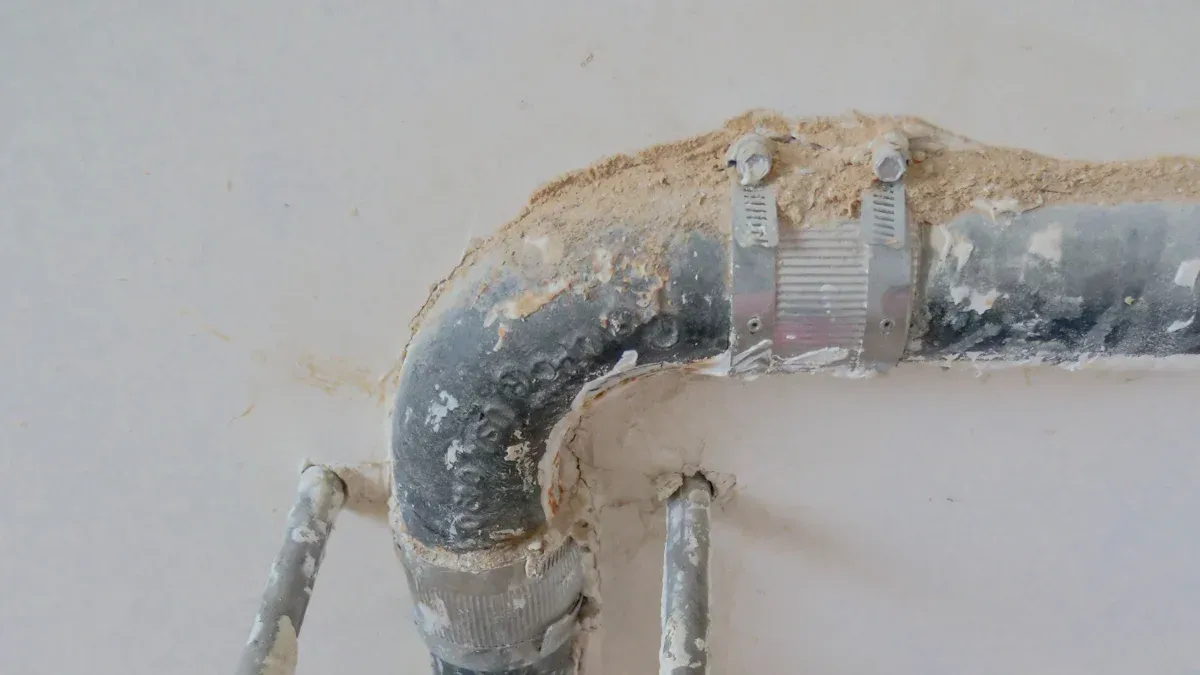
You might think stainless steel pipes never rust, but that’s not always true. Certain environments can break down their protective layer. This leads to corrosion and rust, which are big disadvantages for your installation.
Stainless steel pipes face trouble in places with lots of chlorides, like coastal towns or factories. Chlorides, strong acids, and high temperatures attack the metal. Mechanical stress makes things worse. If you install pipes near the ocean or in a chemical plant, you’ll see corrosion happen faster. Warm and humid climates also speed up the process.
High chloride levels cause pitting and crevice corrosion.
Pollutants and salts collect in pipe crevices, making the area acidic.
The protective film on the pipe breaks down, letting corrosion spread.
Note: Corrosion can eat away at the pipe walls. You might end up with leaks or even a burst pipe. That means you’ll need to replace pipes sooner than you planned.
Threaded joints are a weak spot for stainless steel pipes. Rust often forms between threads, especially if water gets trapped. This rust can block the flow and contaminate your water.
Corrosion products build up and block the pipe.
Water quality drops because rust mixes with the flow.
Pipes lose strength and may fail early, forcing you to replace them.
If you see rust at the joints, you know the cons of stainless steel pipe are showing up. You’ll spend more time and money fixing problems. Water quality suffers, and the whole system doesn’t last as long.
Choosing stainless steel pipes means you need to watch for corrosion and rust. These risks affect how long your pipes last and how safe your water stays. Always think about the environment before you install, and plan for regular checks to catch problems early.
People pick stainless steel pipes because they are strong. But these pipes can still have some problems when you put them in or use them. Let’s talk about the most common issues you might see.
Stainless steel pipes can get scratched if you do not handle them carefully. Scratches happen when pipes rub against rough things, tools, or other pipes. This can happen during cutting, bending, or welding. Pipes can also get dents if someone drops them or bumps them into something hard. Here is a table that shows the most common types of damage and how to stop them:
| Type of Damage | Cause of Damage | Prevention Methods |
|---|---|---|
| Scratches | Mishandling during production, transport, or installation | Use protective wrapping, clean work surfaces, gloves, and smooth rollers |
| Dents | Physical impact during handling or installation | Take care during transport and use proper lifting equipment |
To keep your pipes looking nice and working well, store them in a clean, dry place. Use padded slings when you lift them. Never drag pipes on the floor. Even small scratches can cause bigger problems later, like corrosion.
You might think stainless steel pipes can handle anything, but freezing water inside can cause big trouble. When water freezes, it gets bigger. This puts pressure on the pipe walls. If the pressure gets too high, the pipe can crack or burst. This is more likely if pipes are in cold places or not drained before winter. If a pipe bursts, you will have leaks, water damage, and repairs that cost a lot.
Tip: Always put insulation on pipes in cold areas and drain them if you think it will freeze.
Stainless steel pipe can take heat, but only up to a point. If you use grades like 304 or 316 in very hot places—especially above 450°C (842°F)—the metal can get weaker. At these high temperatures, the pipe can also start to corrode inside. For jobs with a lot of heat, you might want to use alloy steel instead. Stainless steel pipes are strong, but they are not always the best for every hot job.
Remember: Even a small mistake, like a loose fitting or a broken gasket, can make these problems worse. Always check your work to stop leaks and noise later.
Fixing or replacing stainless steel pipes can be hard. These pipes are strong and heavy. You cannot cut them with simple tools. You need special cutting tools or welding equipment. If the pipe is behind a wall, it gets harder. You may need to remove other parts to reach it.
Here is a table that shows how stainless steel pipes and copper pipes compare for repairs and maintenance:
| Feature | Stainless Steel Pipes | Copper Pipes |
|---|---|---|
| Corrosion Resistance | Superior, minimal maintenance required | Prone to corrosion, frequent inspections |
| Scaling and Biofilm Buildup | Low likelihood due to smooth surface | High likelihood, requires regular cleaning |
| Durability | High tensile strength and pressure tolerance | Lower durability, more prone to failure |
| Maintenance Philosophy | Predictive, less frequent checks needed | Reactive, constant monitoring required |
Stainless steel pipes last longer and need fewer repairs. But fixing them is not easy when something breaks. You might need to hire a professional. This can cost more money and take more time.
Stainless steel pipes need less maintenance than other pipes. But they still have some problems. If your system is big, checking every joint takes time. Sometimes, you need special tools to clean or inspect inside the pipes. If you skip checks, small leaks or rust can get worse.
Over ten years, stainless steel pipes cost less to maintain than carbon steel. They last longer and do not need to be replaced often. For example, carbon steel pipes may need repairs every five years. They might need full replacement after fifteen years. Stainless steel pipes can last up to thirty years with only a few check-ups. This saves money over time, even though they cost more at first.
But you still need to be careful. In places with lots of salt or chemicals, stainless steel pipes can still corrode. If you do not find this early, repairs can be expensive. Always pick the right type of stainless steel pipe for your job. Keep up with regular maintenance to avoid big problems.
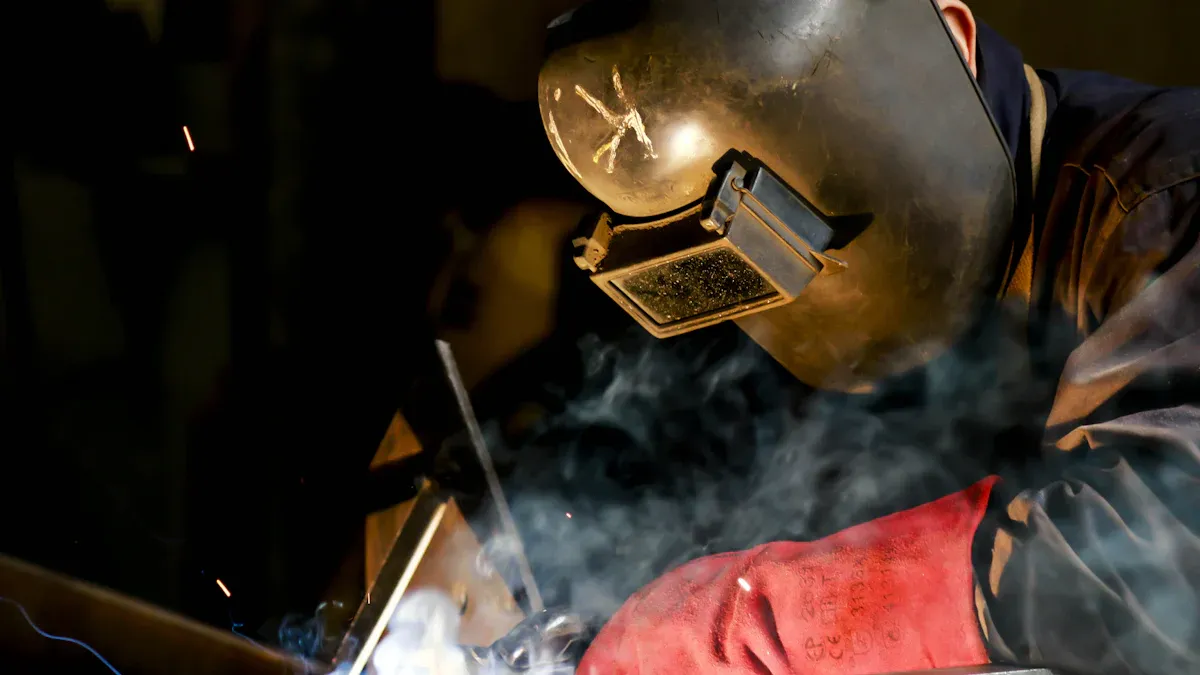
When you work with stainless steel pipes, you quickly see that this job is not for beginners. You need special tools to cut, bend, and weld the pipes. These tools are expensive and hard to use. You also need professional skills to make sure every joint is strong and safe. Most installers must have certifications before they can work with stainless steel pipe. Take a look at this table to see some of the main standards:
| Standard | Description |
|---|---|
| ASME Section IX | Welders must qualify for high-quality welds in stainless steel pipes. |
| ISO 9606-1 | Welders must pass tests for fusion welding and meet strict acceptance rules. |
Welders keep learning new skills to stay up to date. If you hire someone without these skills, you risk leaks or weak joints. You want your pipes to last, so hiring a certified pro is the best choice.
Do you like to fix things yourself? Stainless steel pipes make that tough. You need special equipment for cutting and welding. Most people do not have these tools at home. Even if you buy them, you still need to know how to use them. The need for special skills and tools means you cannot just watch a video and start installing. Here are some reasons why DIY is not easy:
Cutting and welding stainless steel pipes takes professional expertise.
You need special equipment that costs a lot.
The job needs careful handling to avoid mistakes.
Labor costs go up because you must hire skilled workers.
Some systems, like BLÜCHER, make installation easier. You just push the pipes together without clamps or priming. But most stainless steel pipes need more work. If you try to do it yourself, you might end up with leaks or damage. You save time and money by letting experts handle the job.
Tip: If you want a safe and strong pipe system, always choose a professional installer for stainless steel pipes.
Stainless steel pipes have good and bad sides. They are strong, but some things make them hard to use. You might wonder if they fit your project. Let’s look at the facts so you can choose wisely.
Here’s a table that helps you compare stainless steel, plastic, and copper pipes:
| Aspect | Stainless Steel Pipes | Plastic Pipes | Copper Pipes |
|---|---|---|---|
| Cost | Higher manufacturing cost compared to carbon steel | Generally lower cost | Moderate cost |
| Durability | Excellent corrosion resistance, long service life | Less durable, can degrade over time | Good durability, but can corrode in certain conditions |
| Maintenance | Easy to maintain due to smooth surface | Requires more frequent replacement | Requires regular maintenance to prevent corrosion |
| Temperature Resistance | Good temperature resistance and thermal stability | Limited temperature tolerance | Good temperature resistance |
| Hygiene | High hygiene standards, easy to clean | Can harbor bacteria if scratched | Good hygiene, but can tarnish |
| Strength | High strength and toughness | Lower strength | High strength |
| Processability | Difficult to process, requires specialized equipment | Easy to work with | Moderate processing difficulty |
Stainless steel pipes last a long time. They do not rust easily. They are used in hospitals and food factories. People also use them in fancy buildings. You can polish them to make them shiny.
Sometimes, the cons of stainless steel pipes are too much. If you do not have much money, the high price is a problem. It is also hard if you do not have skilled workers or special tools. Here is a table that shows when the bad sides matter most:
| Disadvantage | Scenario Where It Applies |
|---|---|
| High Cost | Projects with budget constraints |
| Manufacturing Quality Variability | Applications requiring consistent quality standards |
| Installation Challenges | Projects with limited skilled labor or resources |
Pick stainless steel pipes if you want pipes that last and stay clean. If you want easy work or have little money, plastic or copper might be better. Always think about what is most important for your project. Is it cost, strength, or how long the pipes last? This helps you choose the best pipe for your needs.
You know stainless steel pipe has some problems. It costs a lot and can be hard to fix. To spend less, buy in large amounts and choose good suppliers. Try to use technology that saves energy. Make a budget before you start. Always get skilled workers to put in the pipes. Contractors use special tools and safe storage to keep pipes clean. They also buy from suppliers they trust. Think about the good and bad sides before you decide what is best for your project.
You pay more for stainless steel pipes because manufacturers use special metals and processes. These pipes last longer, but the upfront cost is higher than plastic or copper. If you want durability, you need to budget for it.
You probably need a professional for stainless steel pipe installation. The job requires special tools and skills. If you try to do it yourself, you might make mistakes that cause leaks or damage.
Stainless steel pipes resist rust most of the time. In places with lots of salt or chemicals, they can still corrode. You should check your pipes regularly if you live near the ocean or use them in a factory.
Tip: Use padded slings, gloves, and protective wrapping. Store pipes in a clean, dry place. Never drag them on the floor. Careful handling keeps your pipes looking good and working well.
Stainless steel pipes work well for most hot water systems. If you use them in very high temperatures, they can lose strength. For extreme heat, you might want to choose alloy steel instead.


