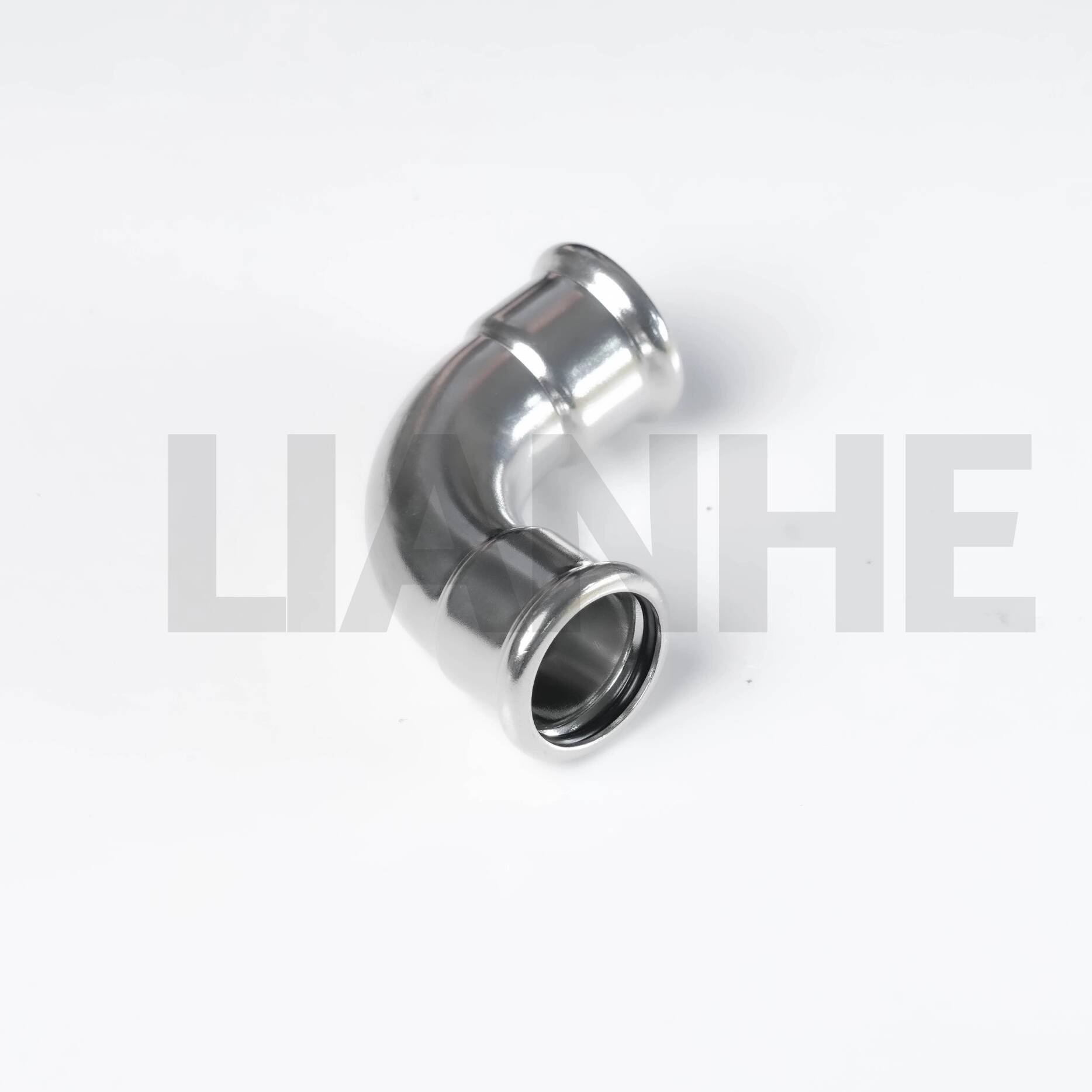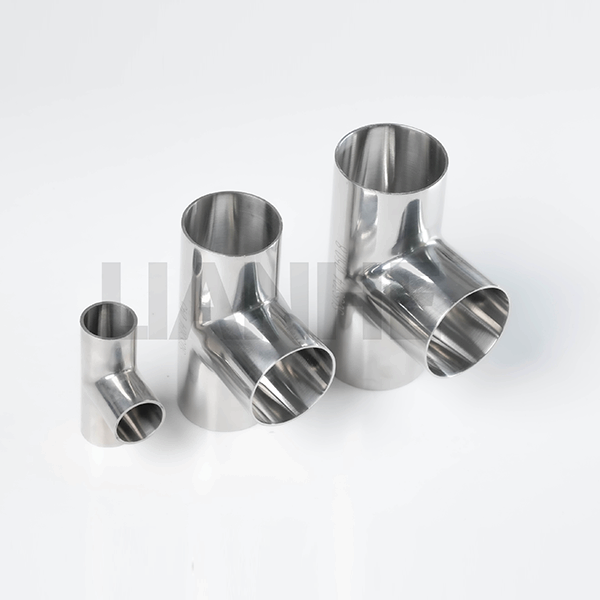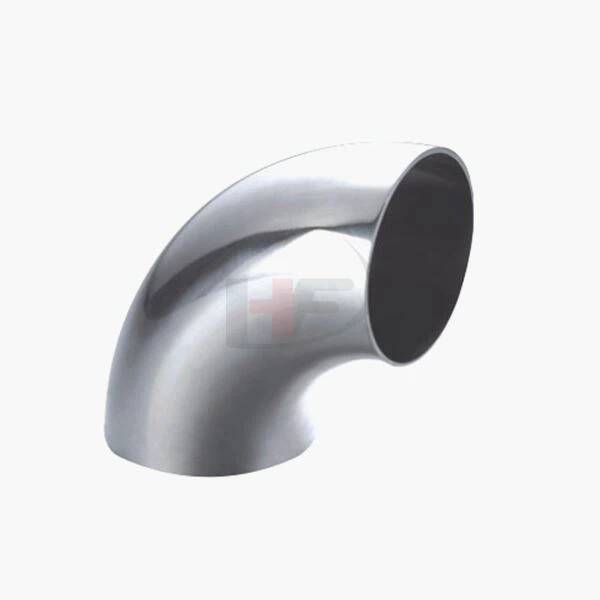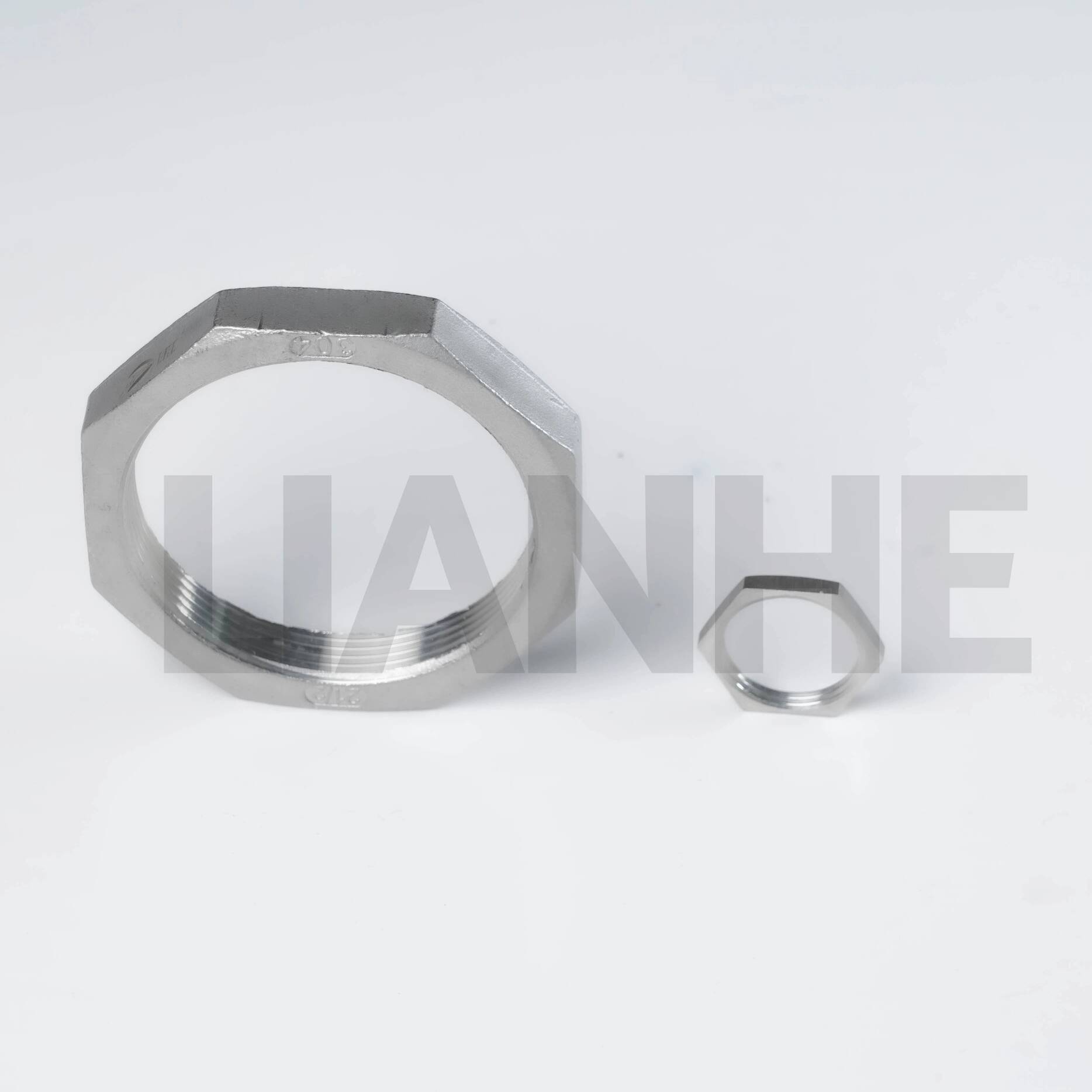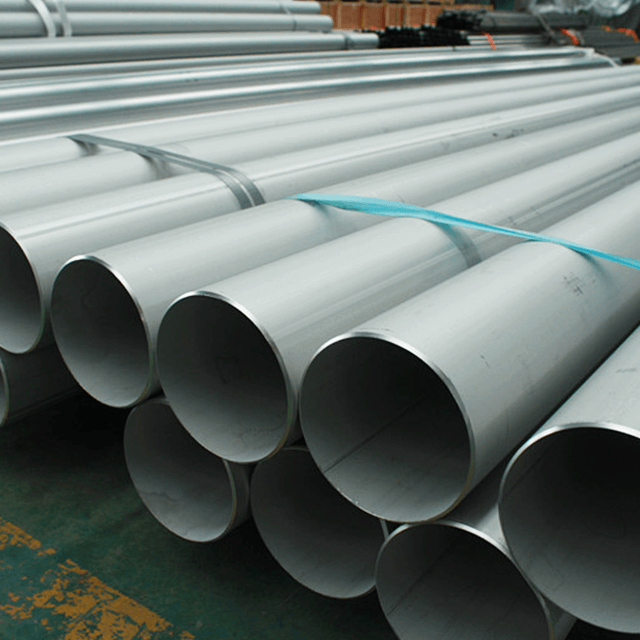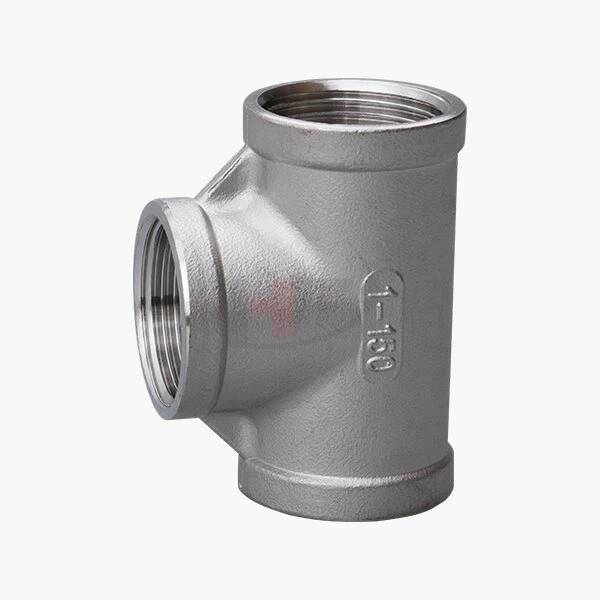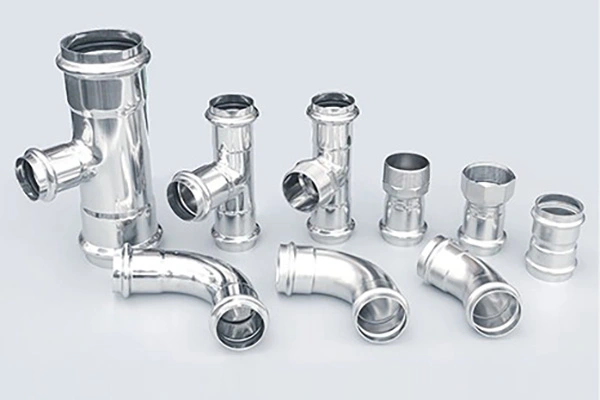
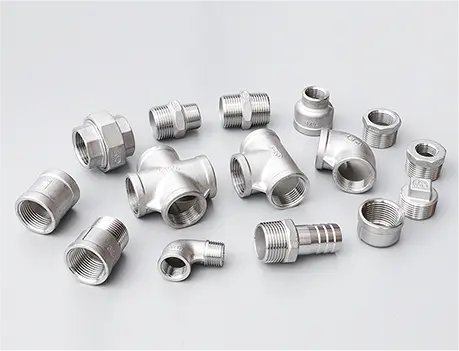
Butt weld fittings are essential components in industrial piping systems where connection integrity, dimensional accuracy, and long-term operating reliability matter. From elbows and tees to reducers and caps, these fittings help connect pipes, redirect flow, and accommodate changes in pipeline size. Understanding material selection, dimensional standards, wall thickness, welding preparation, and inspection requirements helps engineers, contractors, and purchasing teams reduce installation problems and avoid costly failures. This guide explains how to specify butt weld fittings, evaluate quality, and make informed purchasing decisions for demanding industrial applications.
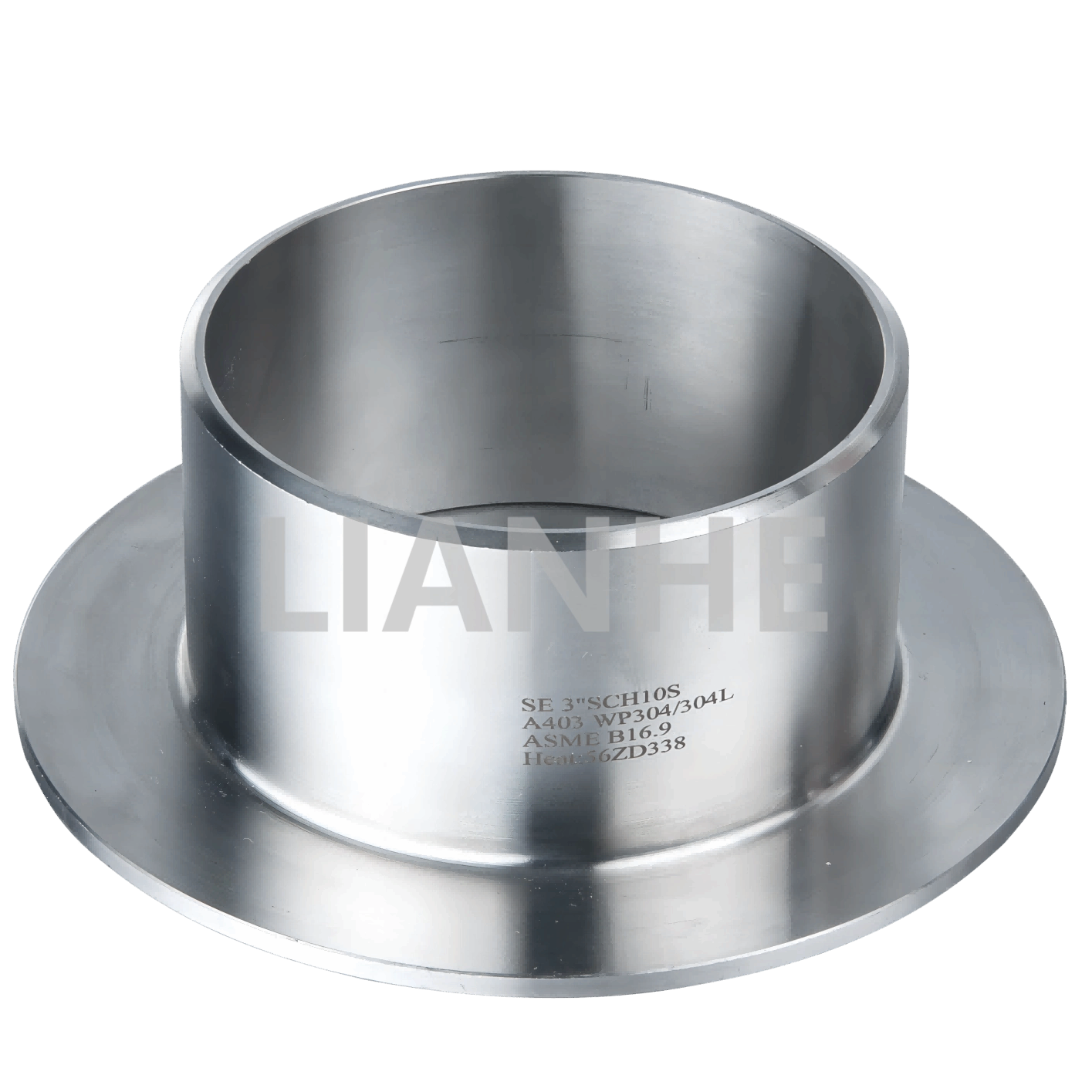
1. What Are Butt Weld Fittings?
Butt weld fittings are pipe components designed to be joined to corresponding pipe ends through butt welding. The fitting and pipe are aligned, their ends are prepared as required, and a qualified welding procedure is used to create the connection. When properly designed, welded, inspected, and operated within their specified limits, these connections can provide durable, leak-resistant performance.
Unlike threaded fittings, which connect through mating threads, butt weld fittings do not rely on a threaded joint at the connection point. They are commonly selected for process piping where mechanical integrity, a continuous internal flow path, and reduced joint leakage risk are important.
Typical applications include chemical processing, oil and gas facilities, power generation, water treatment, pharmaceutical production, shipbuilding, and industrial manufacturing. The required fitting configuration depends on pipeline geometry, operating conditions, available installation space, and the engineering design.
For purchasers, the key point is that a fitting's shape alone does not establish whether it is suitable. Its material grade, dimensions, wall thickness, end preparation, manufacturing quality, and compatibility with the connected piping must also be confirmed.
2. Why Are Butt Weld Fittings Used in Industrial Piping?
Reliable Connections Under Defined Operating Conditions
A properly executed butt weld creates a permanent connection between the pipe and fitting. This makes butt weld fittings suitable for many systems that require dependable containment of liquids, gases, steam, or process media. Actual pressure and temperature limits depend on the materials, component dimensions, welding quality, and applicable piping code.
A Smooth Internal Flow Path
When the internal surfaces are correctly aligned and the weld profile is acceptable, butt weld connections can minimize abrupt internal obstructions. This is beneficial in systems where flow efficiency, cleanability, or reduced areas of fluid accumulation are important. Poor alignment, excessive weld penetration, or an unsuitable fitting geometry can still create flow restrictions.
Reduced Routine Joint Maintenance
Permanent welded connections eliminate the need to periodically tighten the connection in the way some mechanical joints require. However, welded systems still need appropriate inspection, corrosion monitoring, and scheduled maintenance based on their operating environment.
Flexible Pipeline Layouts
Elbows, tees, reducers, and other fitting configurations allow engineers to route pipelines around equipment, create branch lines, and transition between pipe sizes. Standardized dimensions also help contractors plan prefabrication and installation more accurately.
3. Common Types of Butt Weld Fittings and Their Applications
Each fitting performs a specific function. Selecting the wrong geometry can create installation conflicts, alter the intended flow path, or require expensive modifications during construction.
| Fitting Type | Primary Function | Key Selection Considerations |
|---|---|---|
| 90-degree elbow | Changes flow direction by 90 degrees. | Long or short radius, pipe size, wall thickness, and available space. |
| 45-degree elbow | Changes direction more gradually. | Required angle, center-to-end dimensions, and layout geometry. |
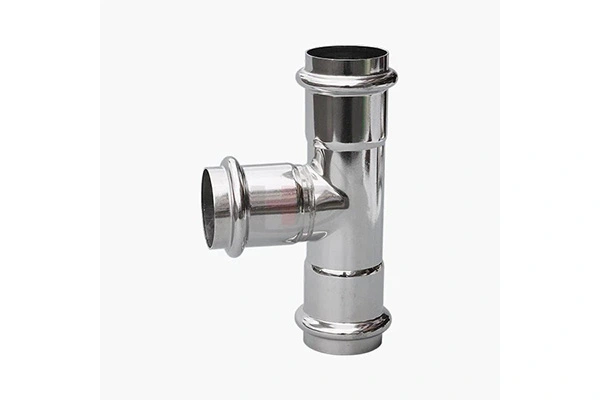
| Equal tee | Creates a branch with the same nominal size as the run. | Run and branch dimensions, flow requirements, and reinforcement considerations. |
| Reducing tee | Creates a branch smaller than the main pipeline. | Run size, branch size, and applicable design requirements. |
| Concentric reducer | Connects different pipe sizes along a common centerline. | Large-end size, small-end size, transition length, and orientation. |
| Eccentric reducer | Connects different sizes with an offset centerline. | Horizontal or vertical orientation, drainage, and air-pocket considerations. |
| Pipe cap | Closes the end of a pipeline. | Size, material, wall thickness, and future access requirements. |
| Cross or custom fitting | Creates multiple branch connections where permitted by the design. | Branch geometry, stress analysis, dimensional requirements, and applicable code. |
Long-radius elbows are frequently used when a smoother directional change is preferred, while short-radius elbows may suit compact layouts where the design permits them. Concentric and eccentric reducers serve different layout needs and should not be treated as interchangeable.
For example, an eccentric reducer in a horizontal line may help avoid an unwanted high point or low point when installed in the correct orientation. The appropriate arrangement depends on the fluid, flow direction, pump configuration, drainage requirements, and project drawings.
4. How to Choose the Right Material for Butt Weld Fittings
Material selection directly affects corrosion resistance, strength, temperature suitability, fabrication requirements, and lifecycle cost. The lowest-priced fitting is not necessarily the most economical choice if it requires premature replacement or introduces compatibility problems.
| Material Category | Common Specification Examples | Typical Considerations |
|---|---|---|
| Carbon steel | ASTM A234 WPB | Common industrial piping applications; corrosion protection may be necessary. |
| Low-temperature carbon steel | ASTM A420 WPL6 | Applications requiring specified low-temperature toughness. |
| Alloy steel | Applicable ASTM A234 grades, such as WP11 or WP22 | Selected high-temperature or specialized service conditions. |
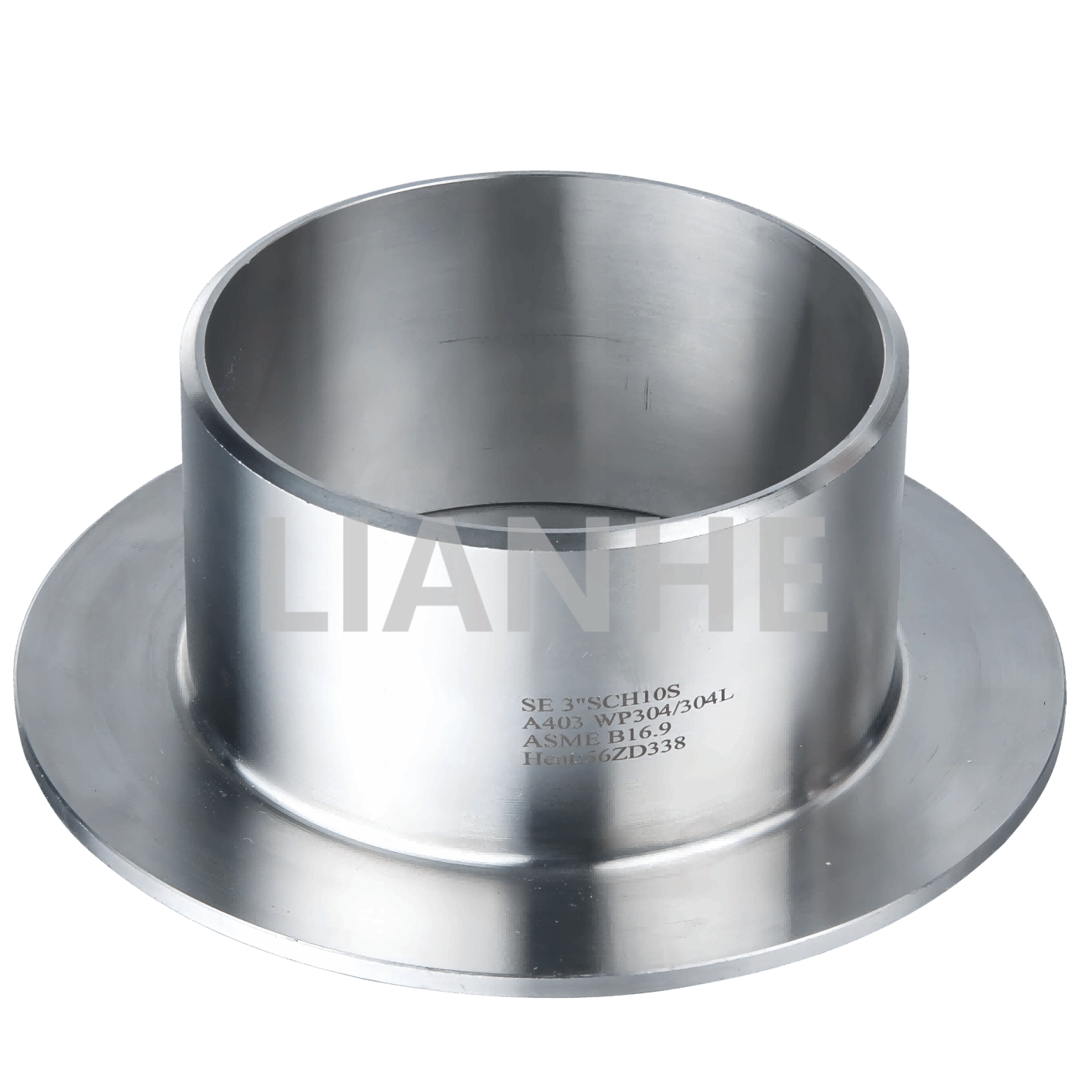
| Austenitic stainless steel | ASTM A403 WP304/304L or WP316/316L | Corrosion resistance in suitable environments; grade selection depends on media and conditions. |
| Duplex stainless steel | Applicable ASTM A815 grades | Applications that require a combination of strength and corrosion resistance. |
| Nickel alloys | Applicable ASTM B366 grades | Specialized corrosive, high-temperature, or otherwise demanding environments. |
Evaluate the Actual Service Environment
Before confirming a material, engineers should consider the fluid composition, operating and design temperatures, pressure, corrosion mechanisms, possible contaminants, and cleaning chemicals. Stainless steel, for instance, is not universally resistant to every corrosive medium. Chloride concentration, temperature, and other conditions can significantly influence its performance.
Confirm Material Traceability
For critical industrial projects, buyers may require material test certificates, heat or batch identification, chemical composition records, mechanical test results, and inspection documentation. Requirements vary by material specification, project specification, and governing code.
Purchasers should confirm the exact grade and applicable material standard rather than relying on descriptions such as "stainless steel" or "high-strength alloy." These broad terms do not provide enough information to establish suitability.
5. Dimensions, Wall Thickness, and Standards
Dimensional compatibility is one of the most common causes of avoidable problems during pipefitting. Even a fitting made from the correct material may be unsuitable if its nominal size, outside diameter, wall thickness, or end dimensions do not match the design.
Understanding ASME B16.9
ASME B16.9 covers overall dimensions, tolerances, ratings, testing, and marking for factory-made wrought butt-welding fittings in sizes NPS 1/2 through NPS 48, or DN 15 through DN 1200. It is a commonly used reference for standardized industrial piping components.
The standard should not be mistaken for a complete material specification or a substitute for piping-system design. Material requirements, welding procedures, service suitability, and other project obligations must be addressed through the applicable material standards, piping codes, and project documents.
Match the Wall Thickness
Pipe schedule is commonly used to identify wall thickness in standardized piping systems. However, the same nominal pipe size can have different wall thicknesses depending on its schedule. Buyers must therefore confirm the actual required dimensions and ensure that the fitting is suitable for the mating pipe.
Confirm the Welding Ends
Butt weld fittings generally require prepared ends suitable for the specified welding procedure. End preparation, bevel geometry, root opening, and alignment should follow the applicable standard, approved welding procedure, and engineering requirements.
6. How to Select the Right Butt Weld Fittings for Your Project
A structured selection process helps prevent incorrect orders, delayed installation, and unplanned material substitutions. Start with the engineering requirements and then verify the supplier's ability to manufacture and document the specified products.
Step 1: Define the Operating Conditions
Record the design pressure, operating temperature, fluid or gas composition, corrosion considerations, and relevant project code. These conditions establish the boundaries for material and component selection.
Step 2: Identify the Fitting Geometry
State whether you need an elbow, tee, reducer, cap, or another configuration. Include the angle, radius, branch arrangement, and any orientation requirements shown in the approved drawings.
Step 3: Confirm the Complete Specification
Provide the nominal size, schedule or wall thickness, material grade, applicable manufacturing standard, and end preparation. Where non-standard dimensions are needed, submit drawings with clearly identified tolerances and acceptance criteria.
Step 4: Establish Inspection Requirements
Identify which records, inspections, and tests are required by the project. These may include dimensional inspection, material certificates, visual examination, nondestructive examination, or other specified verification activities. Not every test applies to every fitting, and testing should be agreed upon before production.
Step 5: Review the Complete Commercial Offer
Compare quotations using the same technical specification. Confirm quantity, unit of measure, production lead time, packaging, shipping arrangements, document requirements, and procedures for handling nonconforming products.
- Use approved drawings rather than relying on product names alone.
- Clarify any differences between the requested specification and the proposed alternative.
- Request confirmation of the exact material grade and dimensional standard.
- Agree on inspection and documentation requirements before placing the order.
- Evaluate total project cost, including rework, delivery, and replacement risks.
7. Quality Control and Welding Considerations
Reliable butt weld fittings require more than correct labeling. Manufacturing consistency, material verification, dimensional accuracy, surface condition, and appropriate inspection all contribute to product quality.
Dimensional Inspection
Critical measurements may include outside diameter, wall thickness, center-to-end dimensions, overall length, branch geometry, and end preparation. Inspection criteria should follow the applicable product standard and purchase specification.
Material Verification
Material identification and documentation help confirm that supplied fittings correspond to the specified grade. Where required by the project, additional verification methods may be used to establish alloy identity or traceability. The inspection plan should define the method, coverage, and acceptance criteria.
Surface and Manufacturing Inspection
Fittings should be checked for unacceptable surface defects, deformation, damage, and other conditions that could affect compliance or installation. Manufacturing methods may vary according to fitting type, dimensions, material, and applicable specification.
Welding and Installation Controls
Before welding, personnel should verify material compatibility, fit-up, cleanliness, alignment, and the approved welding procedure. Heat input, interpass temperature, preheating, and post-weld heat treatment may require control depending on the material, thickness, service conditions, and governing code.
Inspection methods such as visual testing, radiographic testing, ultrasonic testing, magnetic particle testing, or liquid penetrant testing may be specified according to the application. The method and extent of examination should be determined by the applicable code and project requirements rather than assumed to be identical for all fittings.
8. Common Purchasing and Installation Problems
Ordering by Nominal Size Only
Two fittings with the same nominal size may differ in material, schedule, geometry, or standard. An incomplete purchase description increases the risk of receiving a component that cannot be installed as intended. Always provide a full technical specification.
Choosing Materials Based Only on Price
A cheaper grade may not provide the required corrosion resistance, temperature capability, or mechanical properties. Compare the complete material specification and verify its suitability for the design conditions before considering price.
Ignoring Tolerances and Fit-Up
Dimensional mismatch can complicate alignment, increase fabrication time, and affect weld quality. Verify mating dimensions and tolerances before fabrication, especially for prefabricated pipe spools or systems with limited installation space.
Leaving Documentation Until the End
Missing certificates or unclear traceability can delay inspection and project acceptance. Establish documentation requirements at the quotation stage and confirm that records will identify the supplied products and relevant material batches.
Failing to Protect Products During Shipping
Moisture, contamination, impact, and poor storage conditions may damage fittings or affect their condition before installation. Specify appropriate packaging, identification, handling, and storage practices based on the material and transport environment.
9. A Practical Procurement Checklist for Butt Weld Fittings
Before sending a request for quotation, prepare the information below. A complete inquiry allows suppliers to assess the requirements more accurately and helps buyers compare offers on an equivalent basis.
- Product type: Elbow, tee, reducer, cap, or another specified fitting.
- Dimensions: Nominal pipe size, DN or NPS designation, and required geometry.
- Wall thickness: Pipe schedule or specified minimum wall thickness.
- Material: Exact material specification and grade.
- Manufacturing standard: Applicable ASME, ASTM, EN, or other project-specified requirements.
- Operating conditions: Design pressure, temperature, fluid service, and corrosion considerations.
- End preparation: Required welding-end configuration and applicable standard.
- Quantity: Number of pieces for each size and fitting type.
- Quality documents: Certificates, inspection records, test reports, and traceability requirements.
- Delivery: Required delivery date, destination, packaging, and shipping conditions.
- Special requirements: Drawings, additional tolerances, marking, or project-specific acceptance criteria.
Providing this information at the beginning reduces clarification cycles and makes it easier to identify differences between supplier quotations. If any technical detail remains uncertain, have the responsible piping engineer confirm it before the order is finalized.
10. Frequently Asked Questions About Butt Weld Fittings
1. What are butt weld fittings mainly used for?
They connect pipe sections, change flow direction, create branch connections, transition between pipe sizes, and close pipe ends. They are commonly used in industrial process piping, energy facilities, chemical plants, water treatment systems, and other applications requiring permanent welded connections.
2. What is the difference between butt weld and threaded fittings?
Butt weld fittings connect to pipe ends through welding, while threaded fittings connect through mating threads. Butt weld connections are often preferred in applications where permanent joints and a continuous internal flow path are important. Threaded fittings may be useful in suitable smaller-bore or service-specific applications. The appropriate connection depends on the design code and operating conditions.
3. Which standard is commonly used for butt weld fittings?
ASME B16.9 is widely used for factory-made wrought butt-welding fittings. It addresses dimensions, tolerances, ratings, testing, and marking within its scope. The applicable material specification and piping code must also be confirmed for the project.
4. How do I choose the correct material grade?
Consider the fluid composition, design pressure, temperature, corrosion mechanisms, mechanical requirements, and applicable code. Confirm the exact material specification and grade with the responsible engineer instead of relying on a generic description such as carbon steel or stainless steel.
5. Must the fitting wall thickness match the pipe?
The fitting must meet the applicable design and dimensional requirements and be compatible with the connected pipe. Buyers should specify the required schedule or wall thickness and verify end dimensions and weld preparation. Any permitted mismatch must be addressed according to the approved design and welding requirements.
6. What documents should I request from a supplier?
Depending on the project, documents may include material test certificates, dimensional inspection records, product identification and traceability information, applicable conformity documentation, and specified nondestructive examination or test reports. Agree on the required documents before production or shipment.
7. Can butt weld fittings be customized?
Some manufacturers can supply fittings with agreed non-standard dimensions, materials, or project-specific requirements, subject to manufacturing capability and applicable codes. Provide drawings, material requirements, tolerances, quantities, and inspection criteria so the supplier can assess feasibility. Custom products should not be assumed to comply with a standard in every respect unless the requirements have been verified.
8. How can I reduce the total cost of purchasing butt weld fittings?
Reduce avoidable costs by issuing complete specifications, consolidating compatible orders, planning delivery schedules, checking supplier documentation, and preventing dimensional or material mismatches. Evaluate quality, delivery reliability, and potential rework alongside the quoted unit price.
Find the Right Butt Weld Fittings for Your Project
Choosing suitable butt weld fittings requires careful attention to material grades, dimensions, applicable standards, welding requirements, and operating conditions. Working with a supplier that understands these requirements can help streamline procurement, improve specification clarity, and support more reliable project execution.
Wenzhou Lianhe Valve Fitting Co., Ltd is a potential sourcing partner for buyers evaluating industrial valve fittings and piping connection components. When discussing your requirements, provide the intended application, fitting type, size, material grade, applicable standard, quantity, and any project-specific documentation needs to establish a clear basis for quotation.
Looking for butt weld fittings for an upcoming industrial project? Contact us to discuss your product requirements, technical specifications, and sourcing needs with Wenzhou Lianhe Valve Fitting Co., Ltd.