
Tel: +86-577-86801027 / E-mail: cooper@lianhevf.com
Stainless Steel Fitting
- All
- Product Name
- Product Keyword
- Product Model
- Product Summary
- Product Description
- Multi Field Search
Views: 123 Author: Site Editor Publish Time: 2026-05-05 Origin: Site
You often have to pick between a Stainless Steel Valve and regular valves for your project. Things like how long it lasts, how well it works, the price, how much care it needs, and where you use it are important. Some industries, like chemical processing, food and beverage, pharmaceuticals, marine, and water treatment, use stainless steel because it does not rust and is clean. Other industries, like oil and gas, power generation, and steam lines, use regular carbon steel valves because they are strong in places with high pressure.
| Industry Type | Preferred Valve Type |
|---|---|
| Chemical Processing | Stainless Steel |
| Food and Beverage | Stainless Steel |
| Pharmaceuticals | Stainless Steel |
| Marine | Stainless Steel |
| Water Treatment | Stainless Steel |
| Oil and Gas | Carbon Steel |
| Power Generation | Carbon Steel |
| Steam Lines | Carbon Steel |
| Non-Corrosive Industrial Processes | Carbon Steel |
You should think about what you need, where you will use it, and how much you can spend to choose the best valve for you.
Stainless steel valves do not rust easily and last longer. They work well in tough places like chemical plants and near the ocean.
Regular valves cost less at first but may break more often. You might need to fix or change them more, so they are good for easy jobs with low pressure and no harsh chemicals.
Think about what your project needs, like where it is and how much money you have. This helps you pick the best valve for good results.
Stainless steel valves can handle high pressure and heat better than regular valves. This makes them work well when things get tough.
Buying stainless steel valves can help you save money over time. They last longer and do not need as much fixing.
Valves are made with different materials and ways. Stainless steel valves use special metals. These metals make them strong and last a long time, even when it is hot. Regular valves are usually made from carbon steel or martensitic steel. These may not last as long in hard places. The Society of Automotive Engineers (SAE) has a code to show that stainless steel types are not all the same. Some, like martensitic steel, work well when it is not hot but get weaker when it gets hotter.
Here is a table that shows how the materials compare:
| Material Type | Characteristics | Performance Impact |
|---|---|---|
| Stainless Steel | Has many types of alloys; lasts long and stays strong when hot. | Gets stronger as it gets hotter, good for tough jobs. |
| Martensitic Steel | Does not rust easily but gets weaker when hot. | Strong when cool but not good for high power when hot. |
People make valves in different ways. Casting is used to make shapes that are hard to make. It also helps stop rust, but the valve can break easier. Forging makes the valve very strong and tough. It costs more money and works best for simple shapes.
| Construction Method | Advantages | Disadvantages |
|---|---|---|
| Casting | Good for hard shapes, helps stop rust | Not very strong, can break, hard to shape more |
| Forging | Very strong, lasts long, keeps its shape well | Costs more, only works for easy shapes |
There are many kinds of valves in factories. Ball valves have a round ball inside. They are good for turning off flow fast. Gate valves use a flat gate to open or close. They are good for water or farm use. Globe valves use a moving disc to control flow. They are important for steam lines. Check valves stop flow from going backward and keep pumps safe. Butterfly valves have a disc that turns. They are light and cheap for big pipes.
Stainless Steel Valve types like 304 and 316 are used where you need to stop rust and handle heat. Grade 316 is best in chemical plants because it fights acids and pitting. You see these valves in chemical, food, marine, and medicine factories. Regular valves made from carbon steel are used in oil, gas, power plants, and steam lines where rust is not a big problem.
Tip: Pick a Stainless Steel Valve if you need to handle acids, saltwater, or need things to stay clean. Choose a regular valve for high-pressure jobs where rust does not matter.
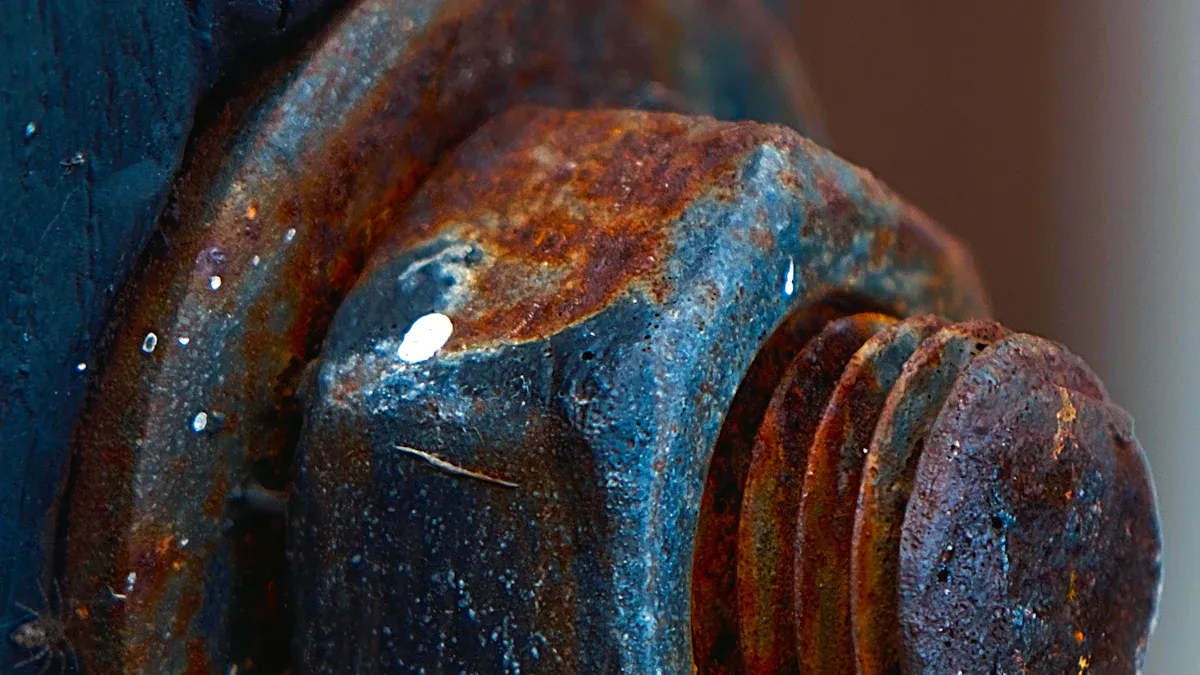
You should think about how well a valve fights rust and damage. Stainless Steel Valve types are much better at stopping rust than regular valves. They do not rust fast, even with chemicals or saltwater. For example, grade 316 stainless steel works well in marine and chemical plants. This is because it has molybdenum. Molybdenum helps the valve fight acids and salty water. Regular carbon steel valves can rust quickly in these places. They often need special coatings or paint to stay safe.
Stainless Steel Valve types last longer because they do not wear out fast. They keep their shape and strength, even with lots of use. You can use them with strong cleaners, acids, or saltwater. They still work well. Regular valves made from brass, bronze, or PVC do not last as long in these spots. They can break or leak, so you need to fix or change them more often.
Note: If you want a valve that does not rust or wear out fast, pick a stainless steel valve for tough or wet places.
Here is a table that shows how stainless steel and regular valves do in hard places:
| Valve Type | Corrosion Resistance | Wear Resistance | Best Use Cases |
|---|---|---|---|
| Stainless Steel Valve | Excellent | High | Chemicals, saltwater, cleaning |
| Regular Valve | Low to Moderate | Moderate | Non-corrosive, low-stress jobs |
You should also check how valves work in different places. Stainless steel valves work well when the temperature changes a lot. They do not bend or break when it gets hot or cold. This makes them a good pick for factories, chemical plants, and water treatment centers. These places can get very hot or cold. Regular valves can get weak or crack if the temperature goes up and down too much.
Stainless steel valves also handle high pressure better. They keep working without leaks, even with strong water or steam. This is important if you need a valve for a job with lots of pressure.
Sometimes, you might use different metals together. This can cause galvanic corrosion. One metal can break down faster when it touches another metal. Stainless steel valves can still have this problem, but they last longer than regular valves. You can help stop this by using the same metal or adding special coatings.
Stainless steel valves give you:
High resistance to rust and chemicals
Strong work in hot, cold, or high-pressure places
Longer life and less fixing
You can trust stainless steel valves to last longer and work better in tough places. They may cost more at first, but you save money over time. You do not need to replace or fix them as much.
It is important to know how valves work under high pressure and heat. Stainless Steel Valve types do better in tough places than regular valves. Look at the table below to see the difference:
| Valve Material | Maximum Pressure Rating (1" Valves) | Temperature Range |
|---|---|---|
| 304 Stainless Steel | 600–1,000 PSI | Up to 870°C sometimes |
| 316 Stainless Steel | 1,000–3,000 PSI | Above 843°C |
Stainless steel valves, like 316 grade, are good for high pressure and heat. You can use them in factories, power plants, and oil and gas fields. Regular valves cannot handle as much pressure or heat. Stainless steel valves work better and are safer for hard jobs.
Stainless steel does not rust easily and stays strong when it gets hot. Forging makes these valves even stronger. You do not have to worry about cracks or shrinking as much. This means you can trust them when heat and pressure change a lot.
Tip: Pick stainless steel valves if you need to control flow in hot or high-pressure places.
You want your valves to work every time you use them. Stainless steel valves are reliable because they do not rust or break easily. You do not need to fix or change them often. They keep their shape and strength, even after opening and closing many times.
Here are some reasons why stainless steel valves are more reliable:
They can handle heat up to 870°C.
They do not rust and last longer than regular valves.
Forging makes them strong and helps stop leaks.
Regular valves can work for easy jobs, but they might break in hard places. You might see leaks or cracks if you use them with high heat or pressure. Stainless steel valves keep working, even when things get tough.
Note: If you want a valve that stays safe and works well, stainless steel valves are a smart pick for hard jobs.
When you check valve prices, you see a big difference. Stainless steel valves cost more at first. For example, a brass valve is usually under $30. Stainless steel valves start at about $71. Some stainless steel ball valves can be about $40.95. Basic ball valves made from other materials can be as cheap as $8.20.
| Valve Type | Average Initial Purchase Cost |
|---|---|
| Standard Brass Valves | Less than $30 |
| Stainless Steel Valves | Starting at about $71 |
There are a few reasons why stainless steel valves cost more:
| Factor | Explanation |
|---|---|
| Raw Material Costs | Nickel and molybdenum make the price go up. |
| Manufacturing Methods | Forged parts take more work than cast or pressed ones. |
| Testing and Traceability | Extra tests and paperwork add to the price. |
| Packaging and Logistics | Special packaging and shipping cost more money. |
Stainless steel valves, like 2-piece and 3-piece models, are strong and last a long time. Many people pick them even though they cost more at first.
You should think about how much work it takes to keep your valves working. Stainless steel valves last longer and need less fixing. Over ten years, you spend less on repairs and replacements with stainless steel valves than with regular plastic or brass valves. Here is what you can expect:
Stainless steel valves last longer and need less fixing.
You pay more at first, but you save money later.
Regular valves may need more repairs and new parts, especially for hard jobs.
Welding and fixing stainless steel valves can be hard. You have to control the welding process well. If you do not, the valve can get weak. Some stainless steel valves need special tests and paperwork to follow rules. Sometimes, you cannot fix some valve designs, so maintenance is harder.
Tip: If you want to save money over time and avoid lots of repairs, stainless steel valves are a smart pick for tough jobs.
Stainless steel valves are used where strength and resistance are important. Deepwater oil and gas fields use them because they fight corrosion and handle high pressure. Marine places need valves that resist seawater and work underwater or in splash zones. Wastewater and desalination plants use stainless steel valves in tanks, pipes, and systems. These valves help treat water without rust or erosion.
| Application Area | Benefits of Stainless Steel Valves |
|---|---|
| Deepwater oil & gas | Stops corrosion and handles high pressure; used in MEG injection systems. |
| Marine installations | Fights seawater corrosion; works in splash and underwater places. |
| Wastewater and desalination | Stops corrosion and erosion; used in tanks, valves, and pipes for water treatment. |
Stainless steel valves are also used in the chemical industry. They stand up to strong acids and keep working with harsh chemicals. Oil and gas companies use them for high pressure and heat jobs. Pharmaceutical and food factories pick stainless steel valves because they last long and need little care.
Stainless steel valves are important in:
Chemical plants
Oil and gas fields
Food and drink factories
Pharmaceutical production
If your job has harsh chemicals, saltwater, or needs to stay clean, stainless steel valves help you avoid lots of repairs and replacements.
Regular valves are good for jobs where rust is not a big worry and you want to save money. Water treatment plants sometimes use regular valves for flow control because they cost less and work well for throttling. These valves are best for places without corrosive stuff and simple factory jobs.
| Decision Factor | Stainless Steel Valves | Regular Valves |
|---|---|---|
| Material Durability | Very good at stopping corrosion and wear | Not as strong, wears out faster |
| Maintenance Expectations | Needs less fixing | Needs regular oiling |
| Flow Control Requirements | Not best for throttling; good for on/off | Works well for throttling sometimes |
| Compliance with Standards | Often meets strict rules | Might not meet all rules |
| Budget Considerations | Costs more at first but saves money later | Costs less at first but needs more fixing |
Pick regular valves if you need to spend less money or your system does not have harsh chemicals or saltwater. These valves are good for basic water lines, heating systems, and low-pressure jobs.
Pick regular valves for easy jobs, simple care, and when you need to control flow without worrying about rust.
You have learned that stainless steel valves last longer, resist rust, and work well in tough places. Regular valves cost less at first but need more repairs. Use this table to help you decide:
| Valve Type | Best For | Lifespan |
|---|---|---|
| Stainless Steel | Chemicals, food, marine, pharma | 20–50 years |
| Regular (Carbon) | Simple, low-cost jobs | 10–20 years |
Choose stainless steel for harsh or clean jobs.
Pick regular valves for easy, budget projects.
Think about your needs, environment, and budget before you choose.
Stainless steel valves resist rust and chemicals. You can use them in places with saltwater or strong cleaners. They last longer and do not break down easily.
No, you should not use regular valves in food or medical jobs. Stainless steel valves stay clean and safe. They do not react with food or medicine.
You pay more at first for stainless steel valves. You save money later because you do not need to fix or replace them often. They last much longer.
Check if your job has chemicals, saltwater, or high pressure.
Pick stainless steel for tough jobs.
Use regular valves for simple, dry, or low-cost jobs.


