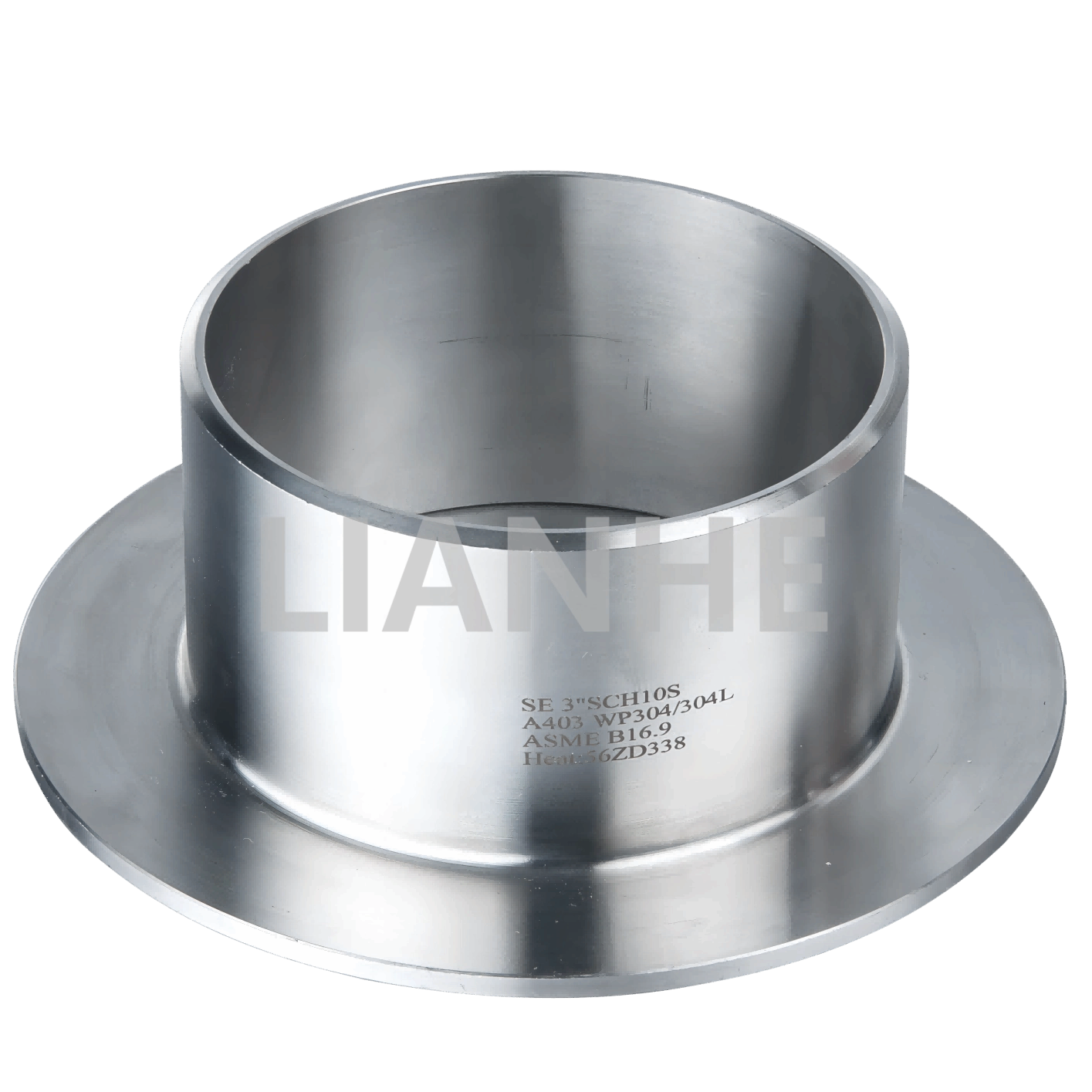
Sanitary clamp connections are used where piping must be assembled, opened and cleaned as the process requires. A complete connection includes two compatible ferrules, a gasket and a clamp. Ordering by nominal size alone can still leave a mismatch at the ferrule face or tube end. The following six checks help buyers send a clearer request and help engineers confirm that the selected parts fit the actual system.
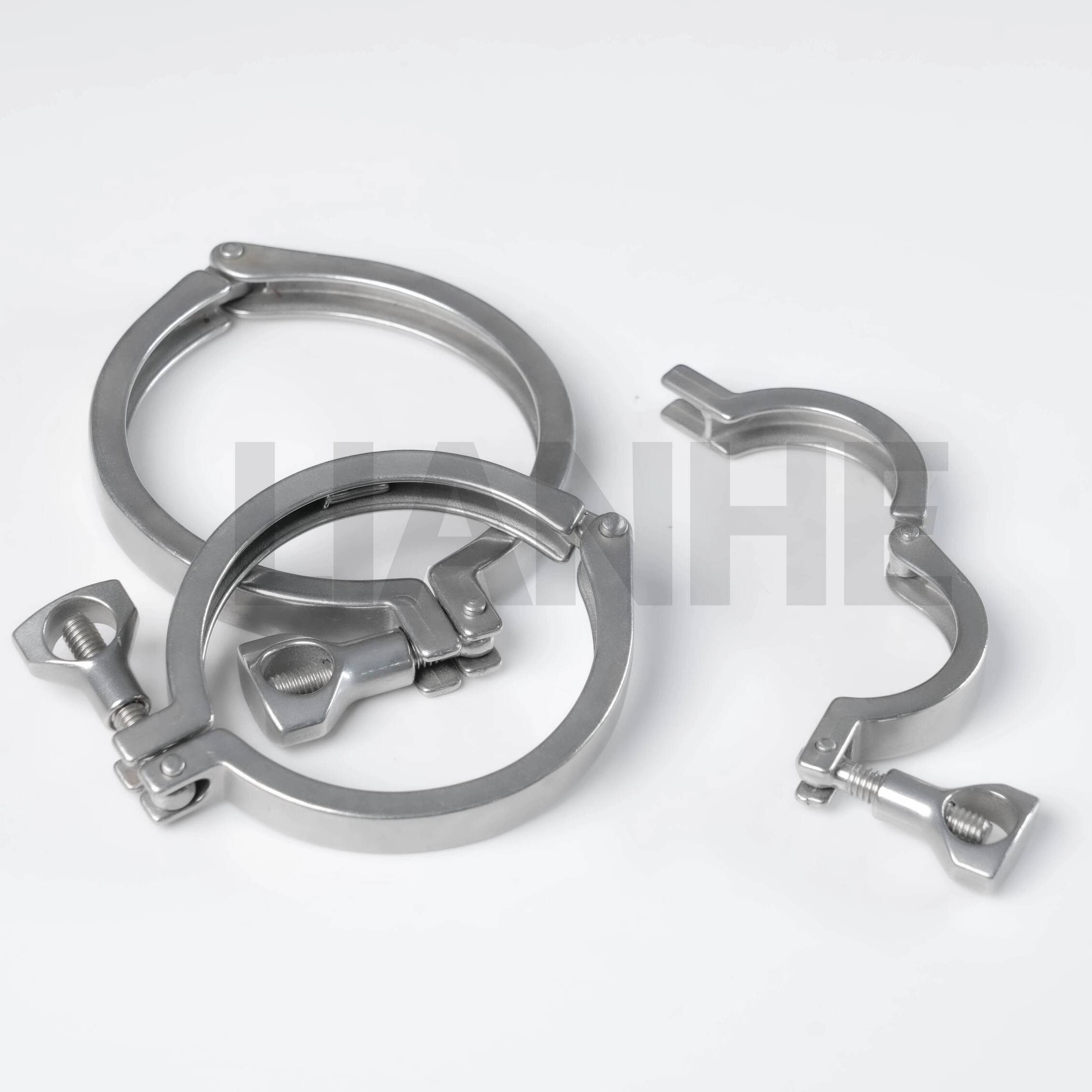
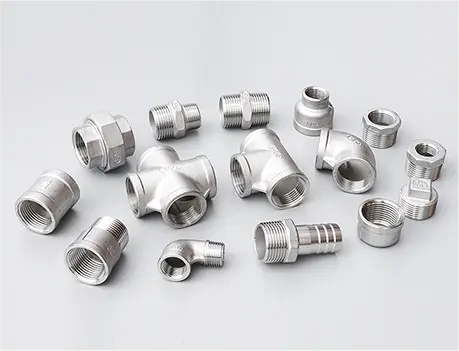
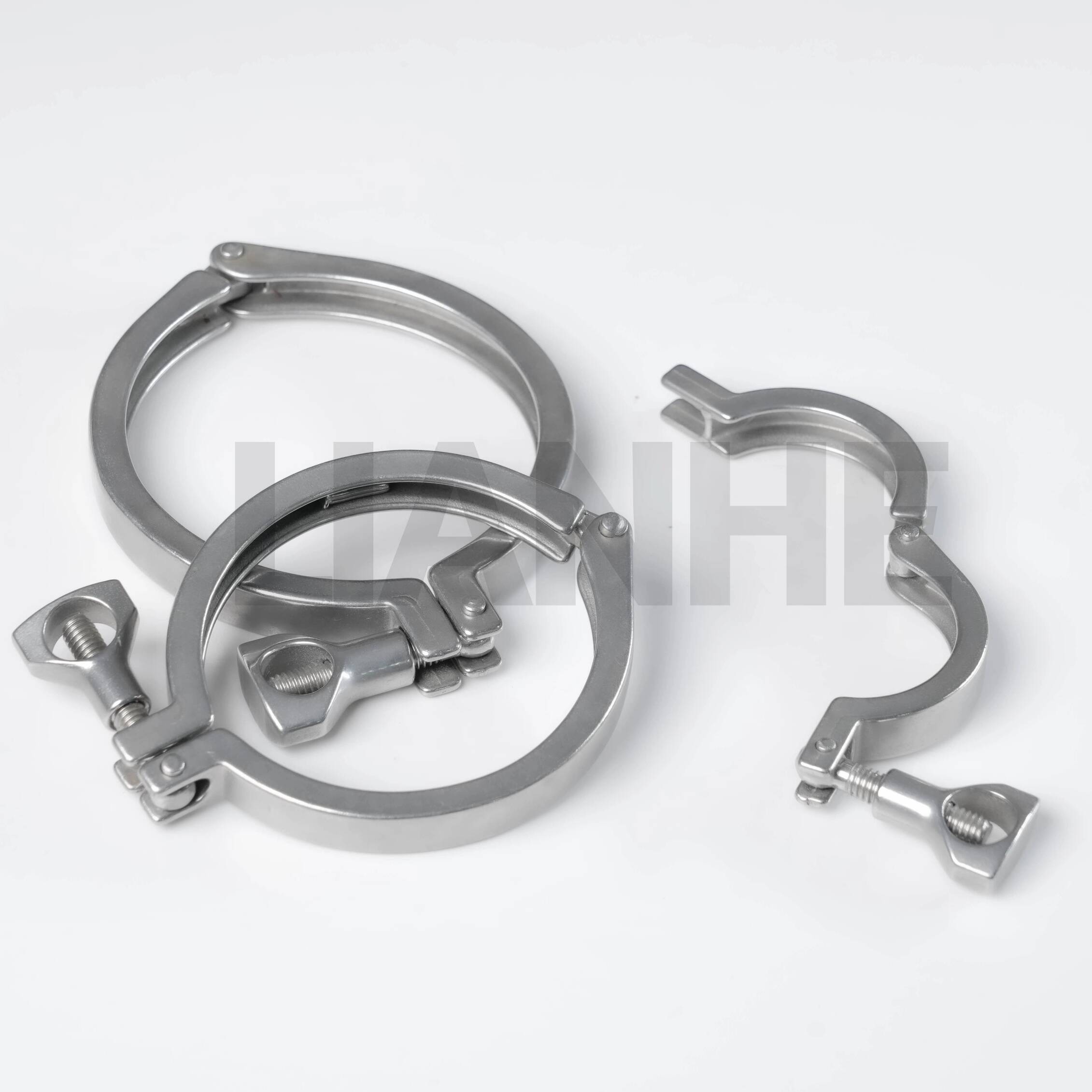
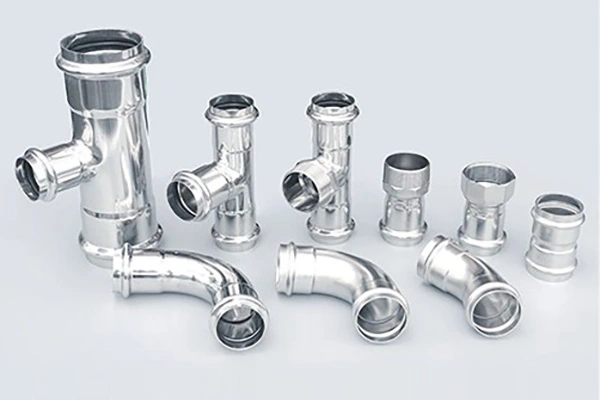
Product photo: Lianhe stainless steel sanitary clamps. The photo shows clamps; ferrules and gaskets should be specified separately as part of the complete connection.
| Check | Confirm before ordering | Useful information to send |
|---|---|---|
| Tubing | Dimensional series, actual OD and wall thickness | Tube specification or drawing |
| Clamp connection | Ferrule face, gasket profile and clamp fit | Mating-part drawing or approved sample |
| Gasket | Process medium, cleaning chemicals and temperature | Required material and compatibility documents |
| Stainless steel | Grade of wetted components | Material grade and traceability requirement |
| Internal finish | Measurable finish and acceptance method | Project finish specification |
| Documents | Dimensions, material and inspection records | Required document list before production |
Start with the tube specification already used in the plant. Record the actual outside diameter, wall thickness and applicable dimensional series. Inch and metric sanitary tubing may use different dimensions even when their nominal sizes look similar. The mating ferrules and weld ends should be checked against the tube drawing or measured sample. If the project uses an existing line, a photograph and the tube specification are more useful than a size label on its own.
Specify the ferrule face dimensions, gasket profile and clamp size as one matched connection. A nominal tube size does not by itself prove that parts from different fitting families will assemble correctly. If components will be mixed across suppliers, compare drawings or approved samples before placing a production order. A clamp that closes is not sufficient evidence that the gasket is correctly compressed or that the internal bore is aligned.
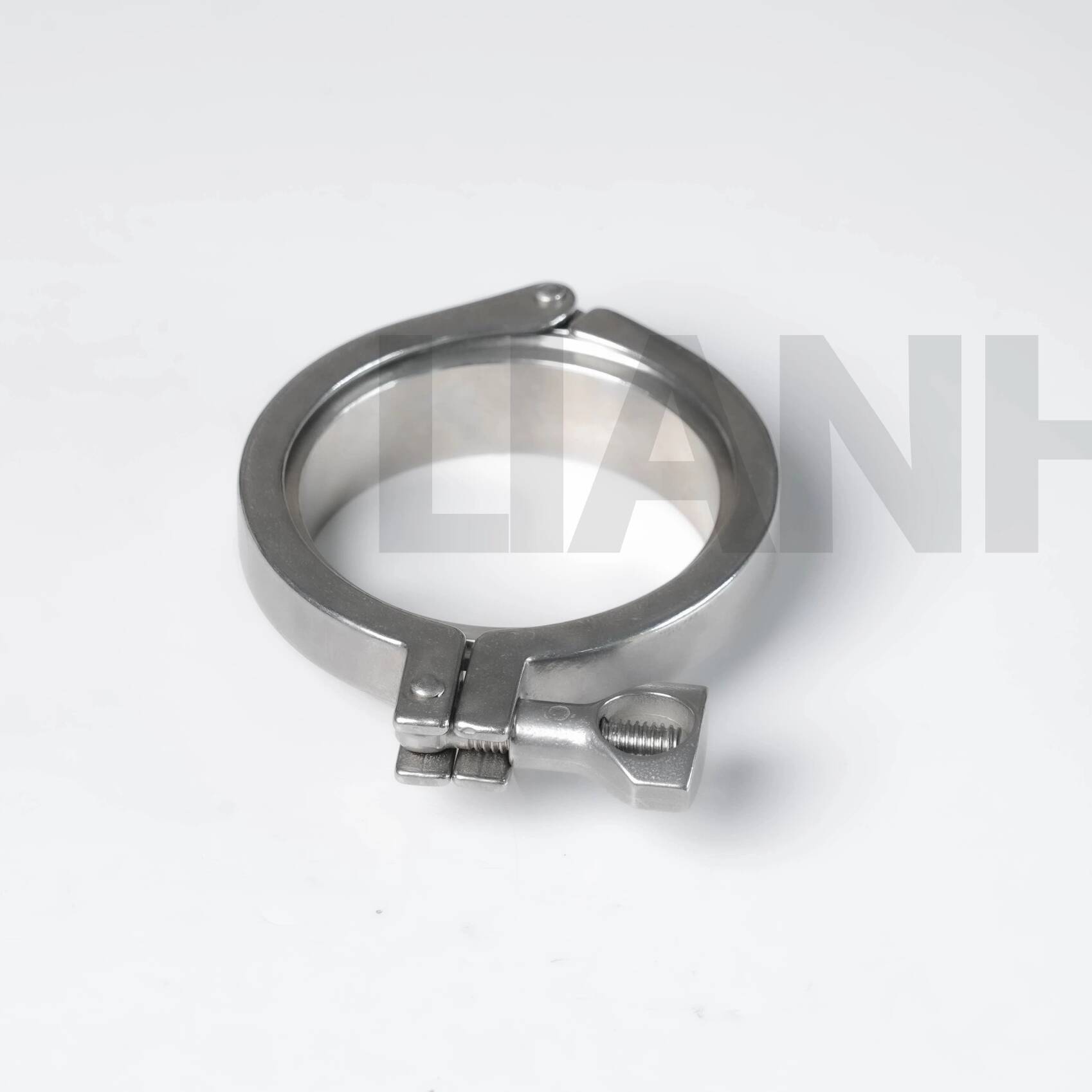
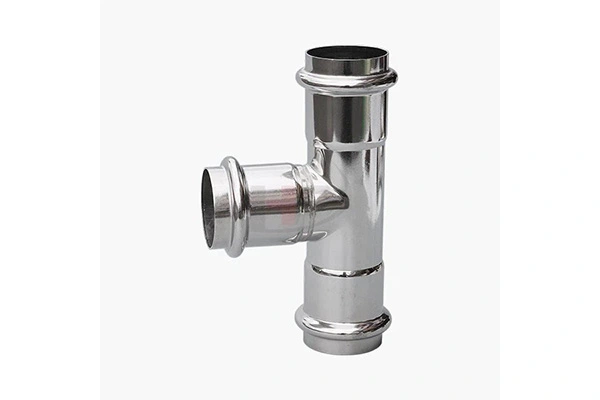
Product photo: a second view from the same sanitary clamp product page. Confirm the mating ferrule and gasket dimensions from drawings, not from this photograph.
Gasket choice depends on the product medium, cleaning chemicals, operating temperature and replacement routine. Materials such as EPDM, silicone, FKM and PTFE have different properties; no single material is best for every process. Ask for the gasket manufacturer's compatibility data and confirm any required food-contact documentation for the exact material supplied. Include the cleaning and sterilization conditions in the inquiry instead of selecting a gasket from temperature alone.
State the required grade for the wetted parts, such as 304 or 316L, and distinguish it from the grade of non-wetted hardware if the specification treats them differently. Grade selection should follow the actual medium, cleaning regime and project requirements. If material traceability matters, request the relevant material documents when ordering. A material name in a general catalog is not a substitute for documentation tied to the supplied batch.
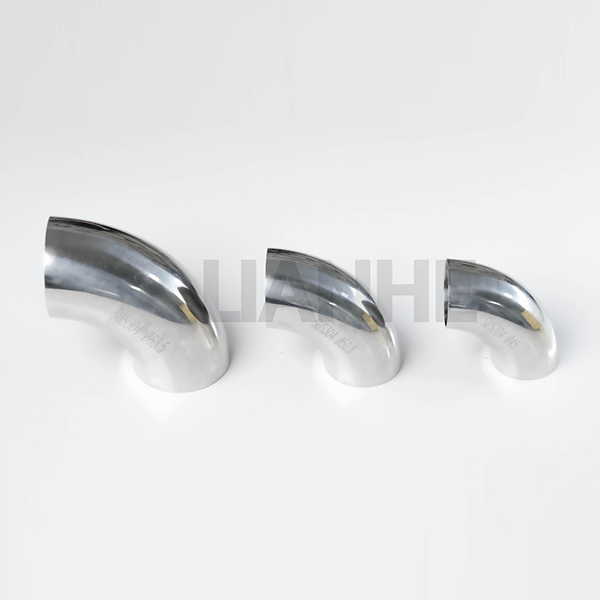
For a hygienic line, surface finish and joint geometry can affect cleanability. Provide a measurable finish requirement where one is specified, and state whether weld ends need particular preparation. The acceptance method should be agreed before manufacture. A polished appearance in a photograph does not establish the measured condition of the wetted surface.
Tell the supplier which dimensions, material records and inspection reports must accompany the shipment. A practical inquiry includes the part type and quantity, tube OD and wall thickness, connection drawing or fitting series, gasket material, stainless grade, surface finish, operating and cleaning conditions, and required documents. Where the existing assembly is uncertain, sending a sample or drawing for review can prevent an avoidable mismatch.
Lianhe lists sanitary fittings and stainless steel sanitary clamps for different connection requirements. To discuss an order, send the existing line's tube dimensions, ferrule drawing or sample, process conditions and document requirements through the inquiry page. The final specification should be confirmed for the actual installation rather than inferred from a product category name.
-