
Tel: +86-577-86801027 / E-mail: cooper@lianhevf.com
Stainless Steel Fitting
- All
- Product Name
- Product Keyword
- Product Model
- Product Summary
- Product Description
- Multi Field Search
Views: 149 Author: Site Editor Publish Time: 2026-04-27 Origin: Site
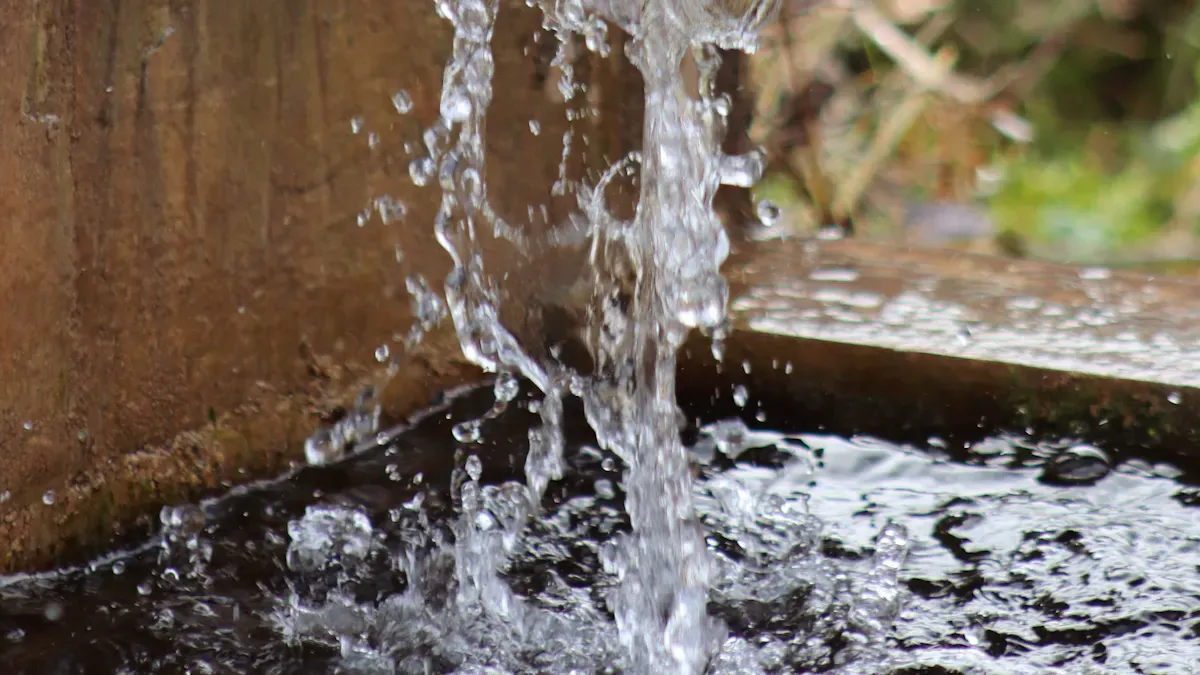
You use clean water every day. Stainless Steel Valve keeps your water safe from dirt. This valve does not rust, so bad things do not get in your water. Brass valves can rust and let metals like lead into your water. Stainless steel makes a shield that stops rust and keeps your water clean. You pick stainless steel because it lasts long and stays clean in tough places.
Stainless steel valves let you have water that is clean and fresh.
Stainless steel valves do not rust or corrode. This keeps your water clean and safe.
These valves have a smooth surface. Dirt and germs cannot stick to them. This makes cleaning easy.
Stainless steel valves help water stay good. They stop bad metals from getting into your water.
Stainless steel valves are strong. They work well in high-pressure systems. You do not need to fix them often.
Stainless steel valves are a smart choice. They last a long time. You do not need to replace them much.
You want your water to be clean. Corrosion can make pipes and valves break. This lets bad stuff get into your water. Stainless Steel Valve keeps your water safe from rust. It also stops corrosion. Chromium and molybdenum in stainless steel make it strong. These metals help fight acids and chlorides. So, your water stays pure, even in tough places like pools or salty water.
Stainless steel stops build-up and blockages. Your water system works well and needs less fixing.
Here is a table that shows why corrosion resistance in stainless steel valves is good:
| Benefit | Description |
|---|---|
| Corrosion Resistance | Great at fighting acids, chlorides, and other harsh things because of chromium and molybdenum. |
| Long Service Life | Works well in pools, sour water, or salty water, so it lasts longer. |
| Resistance to Scaling and Clogging | Keeps water systems running smooth and cuts down on repairs. |
| Supports Automated Control Systems | Makes plant work better and helps the whole system. |
| Sustainability Benefit | Needs fewer replacements and is better for the planet over time. |
You can see stainless steel valves last longer than brass or plastic ones. Check out this chart to see how long each type lasts:

You need a valve that does not react with water. Stainless Steel Valve stays steady and does not let chemicals leak. Stainless steel makes a shield when it touches air. This shield blocks rust and keeps your water safe.
Stainless steel does not react with water.
The shield stops bad stuff from getting in your water.
Brass valves can let lead or copper in, but stainless steel keeps your water safe.
A science study in Ghana found that using stainless steel instead of lead parts stopped lead from getting in water. The study checked 101 water systems with X-Ray Fluorescence. Using stainless steel only cost 2% more. The study showed stainless steel makes water better and safer.
| Findings | Details |
|---|---|
| Study Focus | Swapping lead parts for stainless steel in rural Ghana water systems |
| Key Result | Stainless steel taps and pump parts stopped lead from getting in water |
| Cost Implication | Only made installation cost up to 2% more |
| Methodology | Checked 101 water systems with X-Ray Fluorescence (XRF) to see lead levels |
| Conclusion | Using stainless steel is easy and cheap in LMICs, and makes water safer and better |
You want your water system to stay clean inside. Stainless steel is smooth, so dirt and germs do not stick. This makes cleaning simple and keeps your water fresh. The smooth surface also stops rust and damage, which can make water dirty.
Stainless steel keeps dirty water from going back into clean water.
It fights rust and germs, so your water system is safe.
Stainless steel does not break down in pool water or when pH changes.
You get water that tastes good and is safe for your family.
You may see brass valves in many homes. Brass costs less and has some antimicrobial properties. It works well for basic plumbing jobs. However, brass can corrode in wet places. Over time, this can let metals like lead or copper enter your water. Stainless steel valves use chromium to fight rust. You can trust them in harsh or wet environments. They last longer and keep your water safe.
Stainless steel resists corrosion better than brass.
Brass is cheaper but may not last as long in moist conditions.
Stainless steel works well in high-pressure or industrial settings.
You get better water quality and safety with stainless steel, especially if you want clean water for a long time.
Plastic valves are light and cost less. Many water treatment plants use them because they resist chemicals. They help keep water pure in some cases. However, plastic valves do not last as long as stainless steel. They can break under high pressure or heat. Stainless steel valves stay strong in tough jobs. You can use them in places with high pressure or temperature.
Stainless steel valves last longer and handle more stress.
Plastic valves work well in simple jobs and are easy to move.
You should pick stainless steel for demanding environments.
You want your water to stay clean and safe. Stainless steel valves do not add harmful substances to your water. They meet strict rules like NSF 61, which means they do not leach bad chemicals. Brass and plastic can sometimes let unwanted materials into your water. Stainless steel is also lead-free, so you do not have to worry about lead.
| Valve Material | Corrosion Resistance | Durability | Water Purity | Environmental Impact |
|---|---|---|---|---|
| Brass | Moderate | Good | May leach metals | Recyclable, but mining impacts |
| Plastic | Good (chemicals) | Fair | May leach under heat | Lightweight, less durable |
| Stainless Steel | Excellent | Excellent | Lead-free, safe | Highly recyclable, durable |
You protect your health and the planet when you choose stainless steel valves.
You want to feel sure your water is safe. Stainless Steel Valve helps keep your water clean. In big water systems, these valves control where water goes. They can close off parts of the system for repairs. They also stop water from going backward. This keeps dirty water out of your clean water. The World Health Organization says backflow prevention is important. Stainless steel valves are strong and last a long time. They do not need much fixing. This helps your water stay fresh and safe.
Control water in large systems
Close off areas for fixing
Stop water from going the wrong way
Help save water and keep it clean
You can tell if your water tastes or smells odd. Stainless steel does not mix with water or let chemicals in. This keeps your water tasting good and fresh. Brass or plastic valves can sometimes make water taste or smell bad. This happens if they break down over time. Stainless steel keeps your water pure. You can enjoy every drink.
Tip: Pick stainless steel valves if you want water that tastes and smells good.
You want your water system to stay clean inside. Stainless steel valves have smooth surfaces. Dirt and germs do not stick easily. This makes cleaning easy and stops bacteria from growing. Many companies use these valves where cleanliness is very important. This includes food, drinks, and medicine.
| Property | Description |
|---|---|
| Corrosion Resistance | Stainless steel valves fight rust and last longer in water systems. |
| Hygienic Properties | Their smooth surface makes cleaning easy, which is important for clean water. |
| Applications | Used in drinking water, food, drinks, and medicine where cleanliness matters. |
You also spend less money fixing things because stainless steel lasts longer and does not rust. Choosing the right valve means fewer problems and cleaner water for everyone.
You need to pick the best valve for your water system. Start by looking at what flows through your pipes. If you have corrosive or abrasive fluids, choose a valve that can handle them. Check the highest pressure and temperature your system will face. Decide if you want to turn water on and off, control flow, or stop backflow. Make sure your valve meets safety standards. Think about how much it will cost over time, not just the price today.
Here are some common types you might use:
Ball valves work well for clean and wastewater.
Gate valves fit large pipes that do not need frequent shut-offs.
Globe and butterfly valves help you control flow smoothly.
Stainless Steel Valve is popular in water treatment plants. It lasts longer and keeps water safe in tough conditions.
You want your valve to work right from the start. Use materials that match to avoid corrosion. If you mix metals, you might see rust. Always check that your valve fits the pressure and flow of your system. When you install a check valve, follow the arrow on the body for flow direction. Clean your pipes before connecting the valve. Dirt can damage the valve and make water dirty.
Here is a table showing common installation errors:
| Type of Connection | Common Errors | Hazards |
|---|---|---|
| Flange Connection | Mismatched sealing surfaces, wrong gasket, uneven bolts, misaligned flanges | Leaks, cracks, safety risks |
| Welded Connection | Dirty grooves, no protection, wrong temperature or speed | Weld leaks, valve damage, less corrosion resistance |
Tip: Take your time during installation. Careful work prevents leaks and keeps your water clean.
You keep your water fresh by caring for your valves. Check them every week for drips, stains, or loose parts. Wipe surfaces with a soft cloth and pH-neutral cleaner. Do not use harsh sprays or rough pads. Lubricate ball valves once a month with food-grade oil. Cycle the valve and wipe off extra oil. Every three months, take the valve apart if needed. Look at O-rings and seals. Replace any that look worn. Test the pressure once a year, especially on high-pressure lines.
| Task | Frequency | Notes |
|---|---|---|
| Visual check | Weekly | Look for drips, stains, or scuffs. |
| Wipe down surfaces | Weekly | Use soft cloth and pH-neutral cleaner. |
| Lubricate ball valves | Monthly | Use food-grade lubricant. Cycle valve. |
| Deep clean & seals | Quarterly | Inspect O-rings and seats. Replace if needed. |
| Pressure check | Annually | Test system pressure. Retorque supports. |
Regular cleaning stops corrosion from starting. Clean valves keep water pure and prevent costly repairs. You protect your water and your system by following these steps.
You want your water to stay clean and fresh. Stainless Steel Valve helps stop leaks and rust. It works well in places with high pressure. You can use it for food and drinking water. You will not need to fix or clean it often. Here are some features and benefits:
| Feature | Description |
|---|---|
| Corrosion Resistance | Stops rust and keeps water pure |
| High-Pressure Suitability | Works well in tough environments |
| Food-Grade Applications | Safe for drinking water |
| Benefit | Description |
|---|---|
| Minimal Leakage | Keeps your system safe and saves money |
| Ease of Maintenance | Makes cleaning and repairs simple |
| Precision Flow Control | Helps you manage water easily |
Pick stainless steel for your water system. It lasts a long time and keeps you worry-free.
Stainless steel valves resist rust and corrosion. You get clean water for a long time. These valves do not let harmful metals enter your water. You can trust them in tough environments.
Yes, you can use stainless steel valves for drinking water. They do not add bad tastes or chemicals. You keep your water safe and fresh.
You should check and wipe your valve every week. Use a soft cloth and mild cleaner. This keeps your valve working well and your water clean.
Stainless steel valves usually cost more at first. You save money over time because they last longer and need fewer repairs.
Yes, you can use stainless steel valves in high-pressure systems. They stay strong and do not leak. You get safe and steady water flow.


