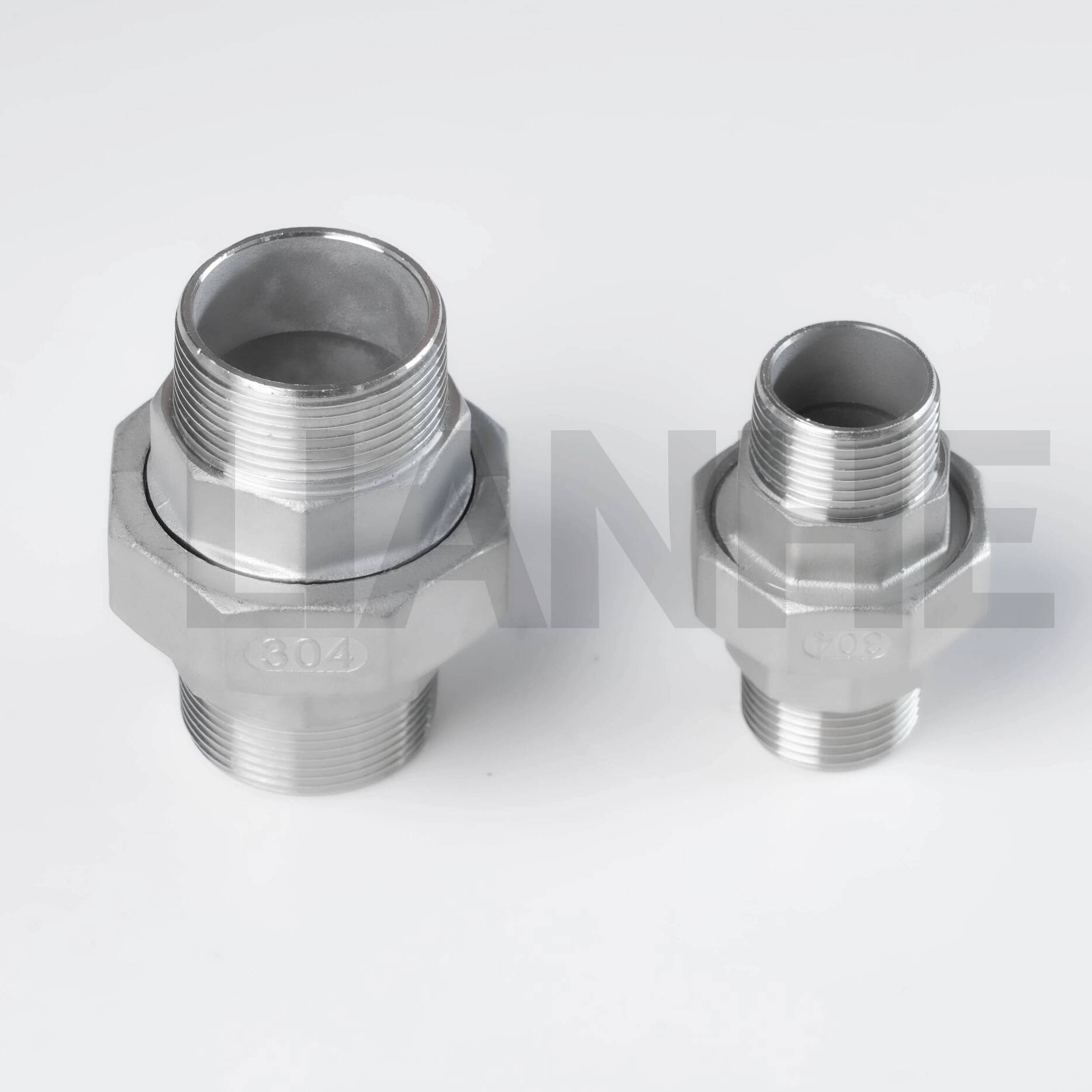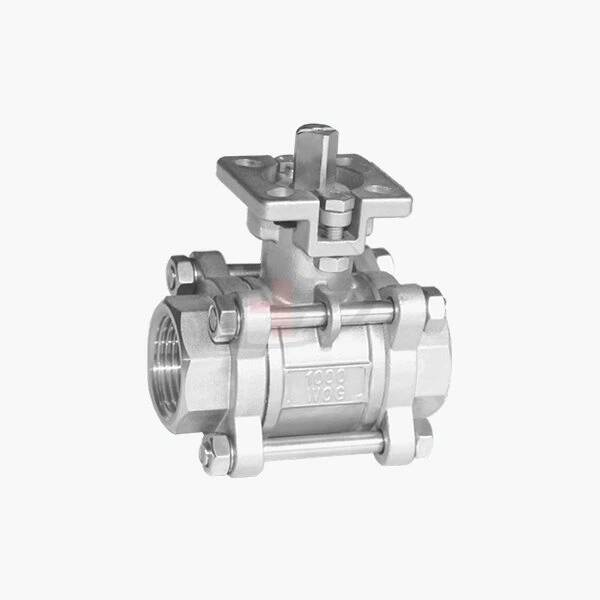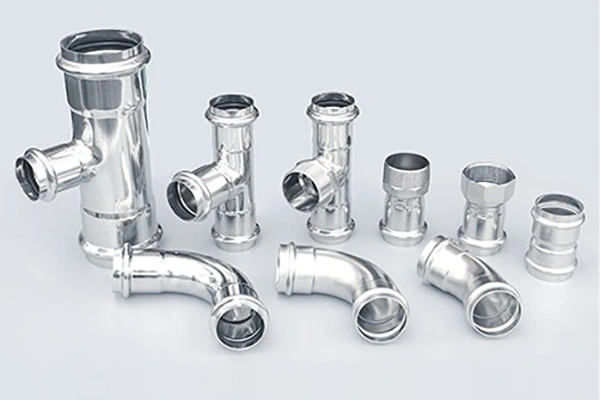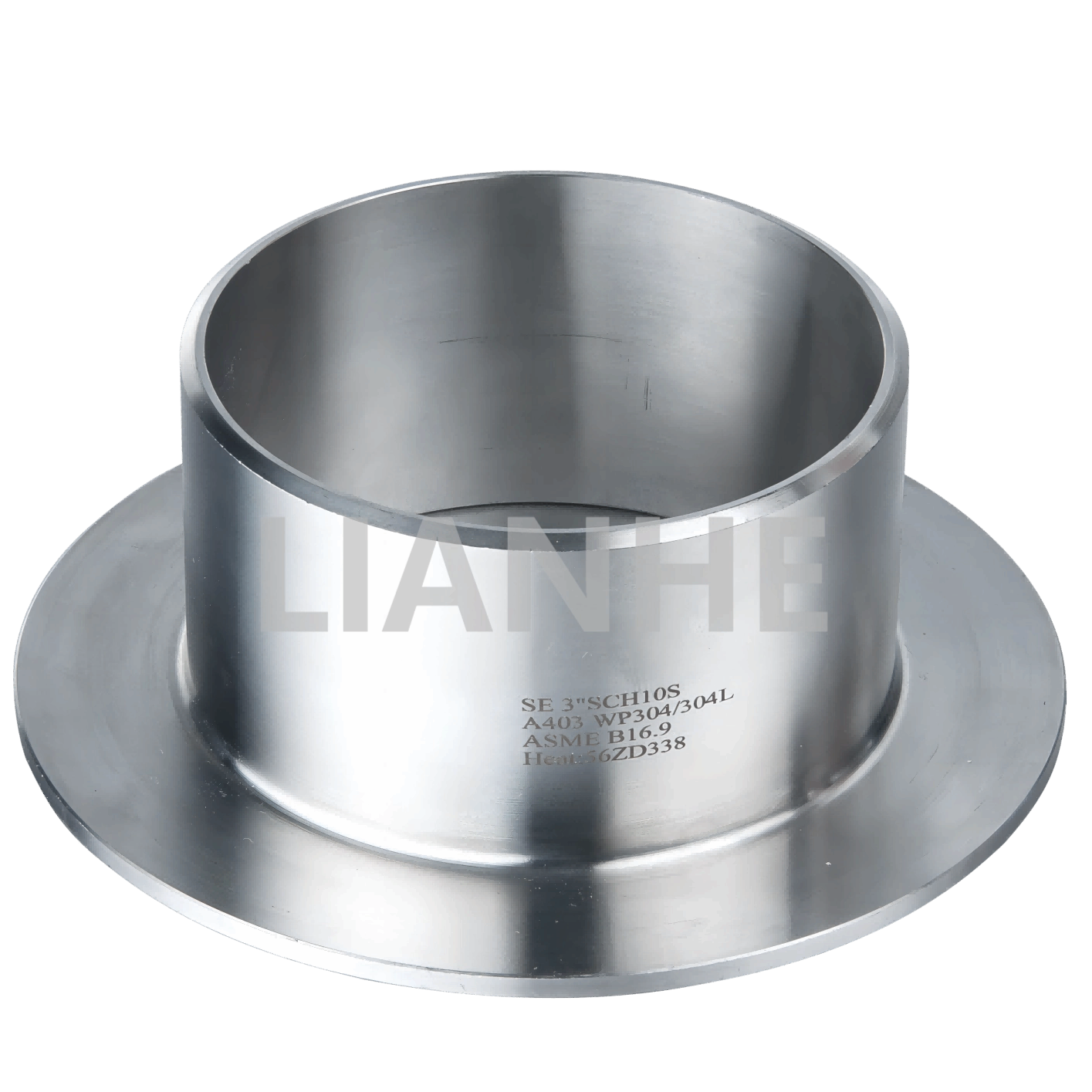
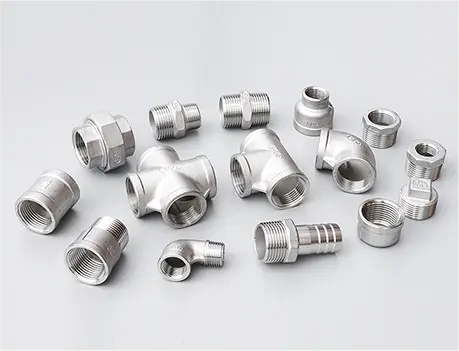
Closing an unused threaded opening is a small but important step in designing and maintaining a piping system. The Stainless Steel Thread Hex Plug is designed to close a compatible female-threaded port, with a hexagonal head that allows tightening and removal using a suitable wrench or socket. Choosing the correct plug requires attention to thread standards, stainless steel grade, service conditions, and the sealing method specified for the connection.
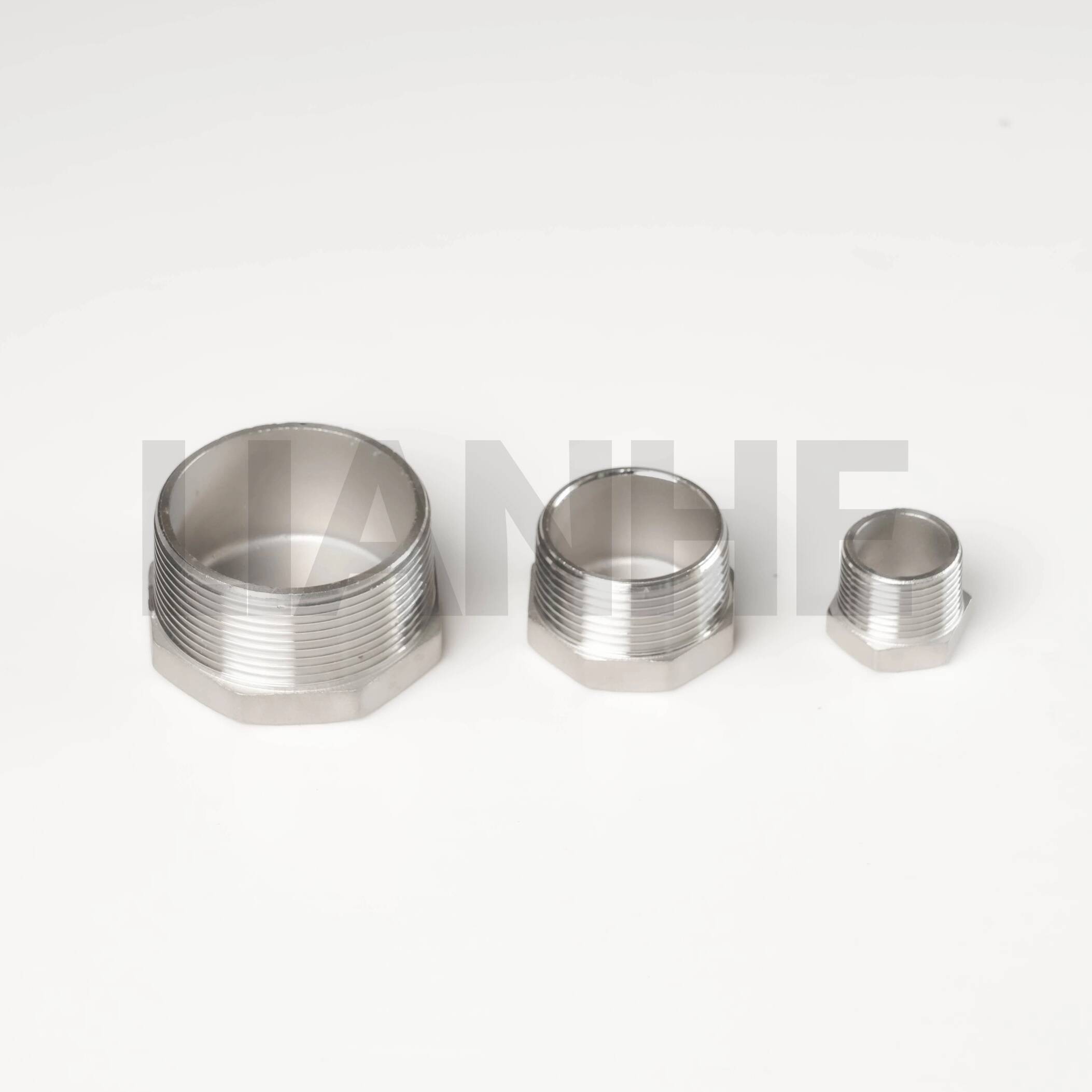
Table of Contents
Select a section to explore the main technical considerations.
Understanding the Hex Head Design
A threaded plug provides a removable closure for an opening that does not need to remain connected to another component. It may be used during equipment assembly, pipeline modification, maintenance, or the closure of an unused outlet. The male thread engages with a compatible female thread, while the head provides a surface for applying installation torque.
Why use a hexagonal head?
The six-sided head gives a wrench or socket several flat surfaces to engage. This can be useful when installing or removing a plug during routine maintenance. Tool access should still be considered: surrounding pipework, valve bodies, insulation, and nearby equipment can restrict the space needed for a wrench.
The head shape does not determine the sealing method by itself. The thread form, mating port design, sealing compound, and service requirements must be considered together. A correctly sized plug can still leak if the thread type or sealing arrangement is incompatible.
Where does a threaded plug fit?
Typical locations include unused branch connections, threaded ports in valves, equipment openings, inspection points, and compatible pipeline fittings. A plug is not a substitute for a valve where frequent flow control or isolation is required. Its purpose is to close an opening in accordance with the system design.
Matching Thread Standards
Thread compatibility is one of the most important factors in selecting a pipe plug. Similar-looking threads may have different profiles, pitches, or taper characteristics. A connection that starts to engage is not necessarily compatible or capable of achieving a reliable seal.
NPT and BSPT
NPT is a tapered pipe thread standard commonly used in North American piping applications. BSPT is also tapered but follows a different thread geometry. Although both are tapered, they should not be treated as interchangeable simply because their nominal sizes appear similar.
BSP and ISO 228
BSP terminology covers different thread configurations, including tapered and parallel forms. ISO 228 specifies pipe threads where pressure-tight joints are not made on the threads themselves. Such connections may rely on a gasket, sealing washer, or another designed sealing surface. The port configuration must therefore be checked rather than relying on the thread designation alone.
| Thread Designation | Key Consideration | Selection Guidance |
|---|---|---|
| NPT | Tapered thread geometry | Verify the specified NPT size and sealing procedure. |
| BSPT | Tapered BSP thread form | Confirm the mating thread and applicable standard. |
| BSP | May refer to different BSP configurations | Confirm whether the required thread is tapered or parallel. |
| DIN 2999 | Legacy designation associated with pipe-thread specifications | Check the exact drawing and applicable current specification. |
| ISO 228 | Parallel pipe threads where threads alone do not make the pressure-tight joint | Verify the designed gasket or sealing surface. |
Important: Thread names and nominal sizes are not sufficient to establish interchangeability. Confirm the mating port specification, thread gauge results where applicable, and required sealing method before assembly.
Selecting Stainless Steel Grades
Material selection should reflect the fluid or gas being conveyed, chemical concentration, temperature, moisture exposure, cleaning procedures, and expected operating conditions. Stainless steel grades differ in composition and corrosion resistance, so choosing a material based on appearance alone is not sufficient.
SS201 stainless steel
SS201 is an austenitic stainless steel grade that may be considered for suitable general environments. Its corrosion performance differs from that of 304 and 316 grades. Confirm that the actual operating environment is compatible with the selected material before specifying it for a fitting or threaded closure.
SS304 stainless steel
SS304 is widely used for general-purpose stainless steel components. It can be appropriate for many water-related and indoor industrial environments, depending on the chemistry and operating conditions. It is not universally suitable for every chloride-containing or aggressive chemical environment.
SS316 and SS316L stainless steel
SS316 contains molybdenum, which generally improves resistance to localized corrosion in chloride-containing environments compared with 304 under comparable conditions. SS316L is a low-carbon variant often selected when welding-related sensitization needs to be considered. Actual performance still depends on the specific medium, temperature, surface condition, and exposure.
| Material | General Characteristics | What to Verify |
|---|---|---|
| SS201 | General-purpose austenitic stainless steel | Corrosion conditions and required material specification |
| SS304 | Common general-purpose stainless steel grade | Fluid chemistry, temperature, and exposure conditions |
| SS316 | Molybdenum-alloyed stainless steel | Chloride exposure and chemical compatibility |
| SS316L | Low-carbon variant of 316 stainless steel | Material certification and application-specific requirements |
Cast stainless steel designations such as CF8 and CF8M may also appear in fitting specifications. These are casting grades and should not be assumed to be identical to wrought SS304 or SS316 simply because the alloy families are related. Verify the material designation on the drawing, order documents, and applicable material certificate.
Common Piping Applications
Threaded plugs are used in many systems where an unused opening needs to be closed while retaining access for future inspection, modification, or maintenance. Their suitability depends on the plug design, thread compatibility, material, sealing arrangement, and operating conditions.
Water supply and treatment
Compatible threaded plugs can close spare outlets in water distribution assemblies, treatment equipment, and service connections. Material grade should be selected with regard to water chemistry, cleaning agents, and the conditions at the installation location.
Industrial equipment and machinery
Equipment housings, valve bodies, and industrial pipework may include threaded ports for assembly or maintenance. A plug can close an unused port when the component design permits a threaded closure and the required pressure and temperature limits have been verified.
Chemical and process systems
For chemical processing, material compatibility requires particular attention. The fluid composition, concentration, temperature, and possible contaminants can affect corrosion behavior. Confirm the selected grade and sealing material with the system specification before use.
- Water supply and compatible water-treatment assemblies: close unused threaded connections.
- Industrial piping and valve bodies: seal designated spare ports.
- Machinery and instruments: close compatible threaded openings when specified by the equipment design.
- Process equipment: select material and sealing components according to the actual service medium.
Applications involving gas, fuel, high pressure, hazardous chemicals, or regulated process media require particular care. The component must be approved for the intended service, and all applicable system design and installation requirements must be followed.
Installation and Sealing
Correct installation starts with identifying the female thread and confirming that the plug matches it. Forcing a mismatched plug into an opening can damage the threads, compromise the connection, and make later removal difficult.
Prepare the mating connection
Inspect the port for contamination, corrosion, damaged threads, and residual sealing material. Clean the connection using a method appropriate for the equipment and service. Check that the plug's thread size, profile, and material match the approved specification.
Use a compatible sealing method
The sealing method depends on the connection design. A suitable thread sealant, tape, compound, gasket, or sealing washer may be required. Not every threaded connection seals on the thread itself, so the installation method must follow the applicable thread standard and equipment instructions.
Tighten without damaging the connection
Use an appropriate wrench or socket on the hexagonal head. Avoid excessive force, which can damage threads or mating components. Follow the specified tightening procedure or torque requirement where one is provided. Do not invent a universal torque value for all sizes, materials, and thread types.
Inspect after assembly
After installation, verify the connection using the inspection and leak-testing procedure approved for the system. Testing must be appropriate for the service and conducted under the applicable safety requirements. A visual check alone cannot establish pressure integrity.
Technical Specification Overview
The product page lists several configurations and technical options. Final selection should be based on the approved drawing and order specification rather than assuming that every size, grade, and thread combination is available in every configuration.
| Specification | Listed Information |
|---|---|
| Product Type | Stainless steel threaded hex plug; square-head options are also listed |
| Size Range | 1/8 in to 4 in (DN6 to DN100) |
| Pressure Designation | Class 150; confirm applicability for the specific product and service conditions |
| Material Options | SS201, SS304, SS316, SS316L, CF8, CF8M, and other grades subject to confirmation |
| Thread Options | NPT, BSPT, BSP, DIN 2999, and ISO 228 as listed |
| Manufacturing | Stainless steel casting and thread machining |
| Surface Treatment | Pickling |
| Applicable Standards | ISO 4144, MSS SP-43, and GB/T 26120 are listed on the product page; confirm the applicable standard for the selected configuration |
Pressure designations must be interpreted in the context of the applicable standard, material, temperature, and complete connection design. Do not assume that the same pressure capability applies to every size, thread form, or operating condition.
Selection Checklist
Before ordering or installing a threaded plug, review the following details to reduce the risk of specification errors.
- Thread standard: Identify the exact female thread type, size, and profile.
- Material grade: Confirm compatibility with the transported medium and surrounding environment.
- Pressure and temperature: Check the complete connection against the actual service conditions.
- Sealing method: Determine whether the joint seals on the threads or through a designated sealing face.
- Installation access: Ensure that a suitable wrench or socket can reach the hexagonal head.
- Surface and thread condition: Check for damage, contamination, and machining defects.
- Documentation: Confirm drawings, material identification, inspection requirements, and any required certificates.
A clear specification should identify the thread designation, nominal size, material grade, required pressure class, operating conditions, sealing arrangement, and inspection requirements. Where a particular combination is essential, confirm availability with the manufacturer before finalizing the design.
Frequently Asked Questions
1. What is the primary function of a threaded hex plug?
It closes a compatible female-threaded opening in a pipe, valve, fitting, or equipment component. The connection must match the required thread standard and sealing design.
2. Can NPT and BSPT plugs be used interchangeably?
No. They have different thread geometries and should not be treated as interchangeable. Confirm the mating thread designation and use a compatible plug.
3. How should the stainless steel grade be selected?
Consider the fluid or gas, chemical concentration, temperature, moisture exposure, cleaning procedures, and required service life. Confirm the material designation against the approved specification.
4. Does every threaded plug seal on the threads?
No. Some tapered threaded connections rely on the thread interface and an approved sealant, while certain parallel-thread connections require a gasket, washer, or designated sealing face.
5. What size range is listed for this product?
The product page lists a nominal size range from 1/8 inch to 4 inches, corresponding to DN6 through DN100. Confirm the required size and available configuration before ordering.
6. What should be checked after installation?
Inspect the connection for correct assembly and follow the approved leak-testing or pressure-testing procedure. Testing should meet the relevant safety and system requirements.
Making the Right Specification Decision
Reliable threaded closures depend on correct thread identification, suitable material selection, a compatible sealing method, and careful installation. A hexagonal head can make tool engagement convenient, but it does not replace the need to verify the connection's technical requirements.
Before selecting a Stainless Steel Thread Hex Plug, confirm the mating port, operating conditions, material documentation, and required inspection procedure. Clear specifications help ensure that the selected component is appropriate for its intended application.
For company information and product manufacturing capabilities, visit Wenzhou Lianhe Valve Fitting Co., Ltd..
Need Help with Your Thread Specifications?
Share the required thread standard, size, material grade, and service conditions to clarify the appropriate configuration for your piping application.
Contact Us