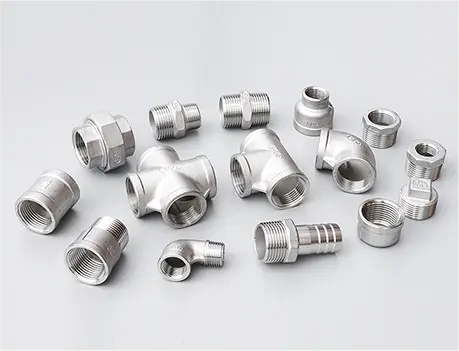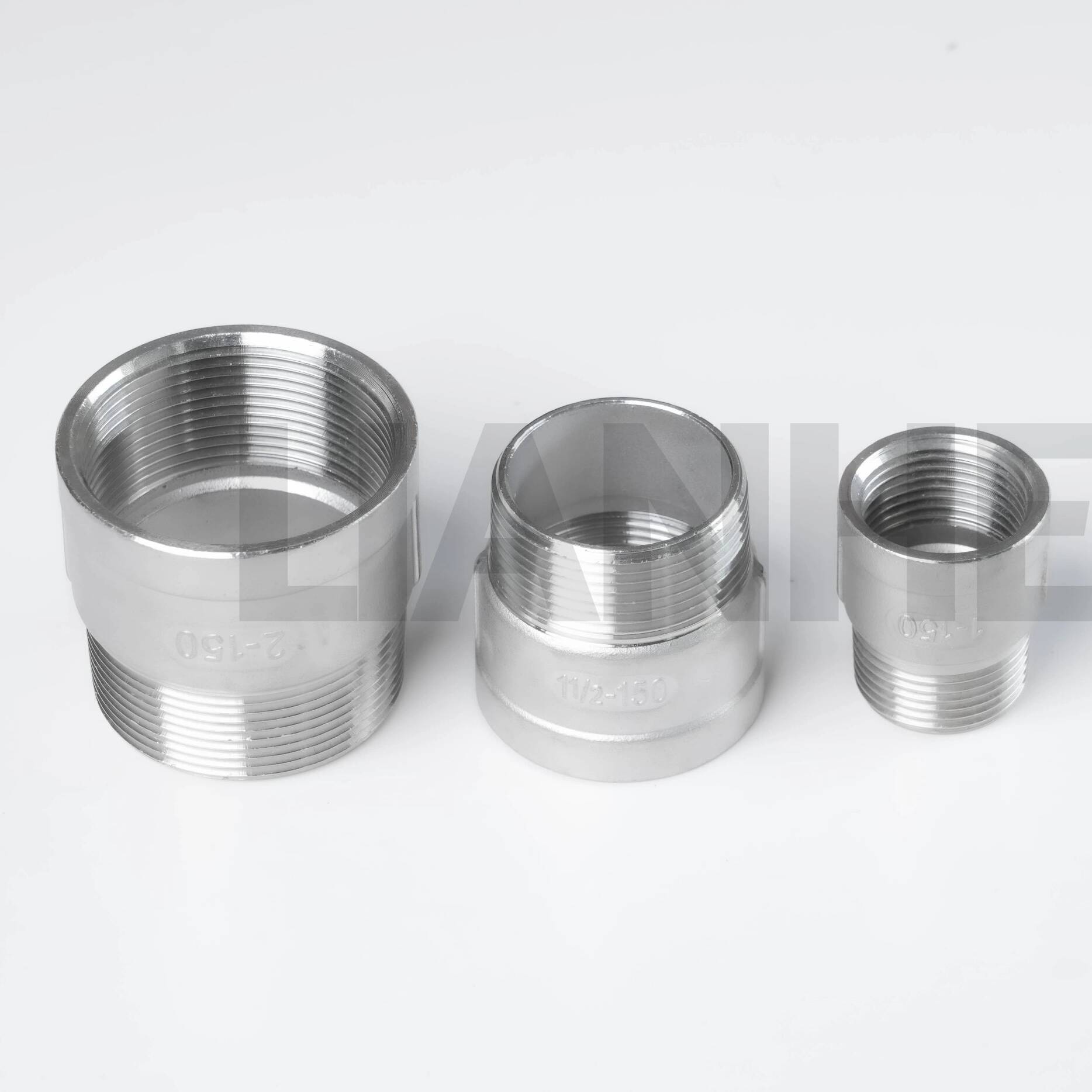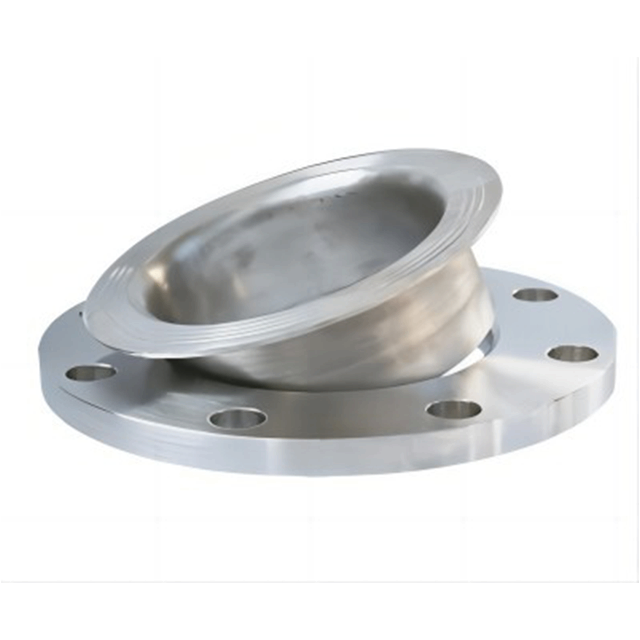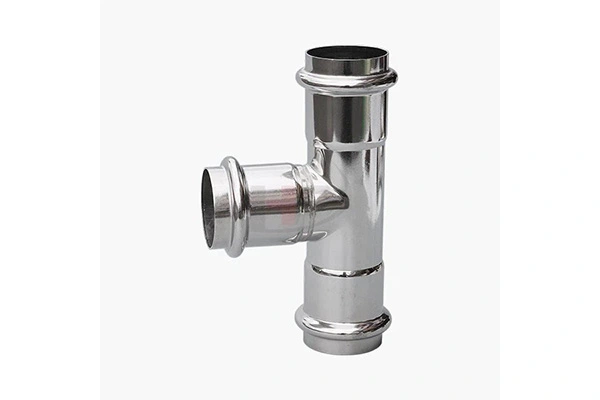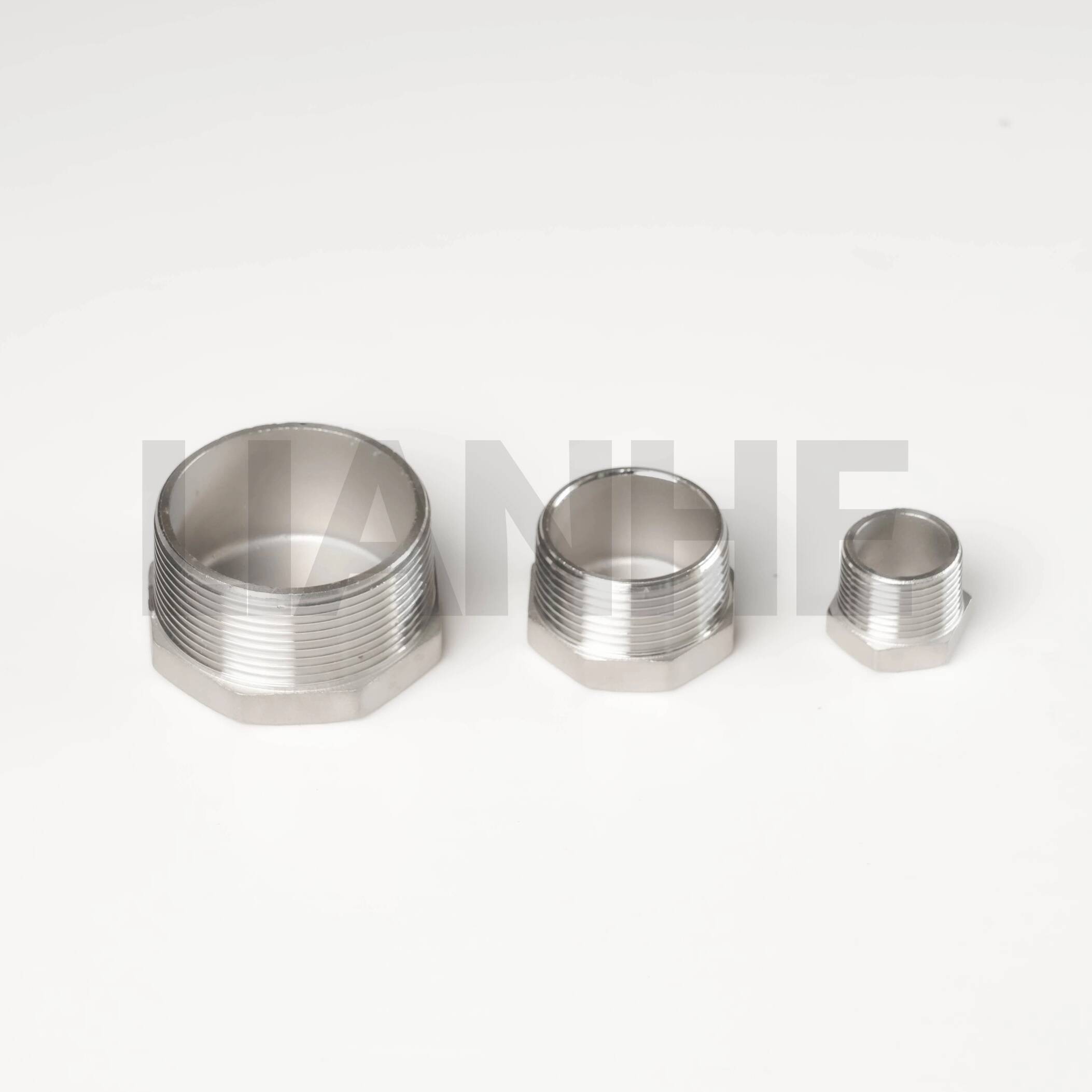
The Stainless Steel Press 90DEG Red Elbow is designed for a 90-degree change in pipe direction with a reducing connection. Its application highlights a broader consideration in piping design: selecting fittings according to the actual layout and connection requirements rather than treating every elbow as an interchangeable component.
Piping systems must often pass around structural elements, connect equipment positioned at different heights and accommodate changes in available space. In these situations, fitting geometry influences not only the direction of the line but also the ease of assembly and the accessibility of future inspections.
Traditional joining methods remain appropriate for many projects, but installation teams may also consider press-fit systems where the pipe, fitting, sealing element and pressing tools are designed to work together. The selected connection method should reflect the medium, operating conditions, applicable codes and the experience of the installation team.
For project planners, the goal is not simply to reduce the number of components. It is to establish a piping layout that can be assembled correctly, inspected clearly and maintained throughout its service life.
A standard 90-degree elbow changes the direction of a pipe while generally maintaining the same nominal connection size. A reducing elbow combines that directional change with a transition between different pipe diameters. This can be useful where a branch of the layout needs to connect to a smaller or larger line without adding a separate reducer at that point.
The Stainless Steel Press 90DEG Red Elbow is listed in size combinations from 1/2” × 1/4” to 4” × 3” (DN15 × DN10 to DN100 × DN80). The required combination should be checked against the project drawings, because nominal size, actual outside diameter and connection profile all affect compatibility.
Press-fit connections use dedicated mechanical tools to form the connection between a compatible fitting and pipe. Unlike a welded joint, the press connection does not require on-site welding or an open flame during the pressing operation. This can be advantageous in projects where hot-work procedures, access restrictions or installation scheduling need to be considered.
However, press-fit installation is not simply a matter of inserting a pipe and squeezing the fitting. The connection depends on the correct fitting profile, suitable sealing components, a compatible tool and accurate preparation of the pipe end. These elements must be treated as one system.
Installation teams should follow the fitting and tool manufacturers' instructions rather than assuming that pressing equipment is interchangeable. Where a project specifies a particular connection profile, the fitting must match that requirement.
Stainless steel grade selection should be based on the transported medium, cleaning requirements, surrounding environment and operating conditions. Grades such as 304, 304L, 316 and 316L are listed as options for this fitting, but the availability of a particular grade should be confirmed for the requested size and configuration.
The sealing element is equally important. The product information lists CIIR, EPDM, PTFE and nitrile as gasket material options. These materials are not automatically interchangeable: their suitability depends on chemical compatibility, temperature, pressure and the requirements of the complete piping system.
Before finalizing a specification, project teams should confirm the selected stainless steel grade, gasket material, connection type and applicable operating limits. Where documentation is required, the requested material certificates and inspection records should also be agreed upon before production or shipment.
Consistent installation practices help reduce avoidable connection problems. A typical workflow includes checking the pipe and fitting, preparing the pipe end, verifying the seal, marking the insertion depth, completing the press operation with the specified tool and inspecting the finished connection.
Before pressing, installers should check for burrs, contamination, damaged sealing surfaces and visible defects. The pipe should be inserted to the specified depth and aligned correctly. After pressing, the connection should be visually checked and tested according to the approved procedure and applicable local requirements.
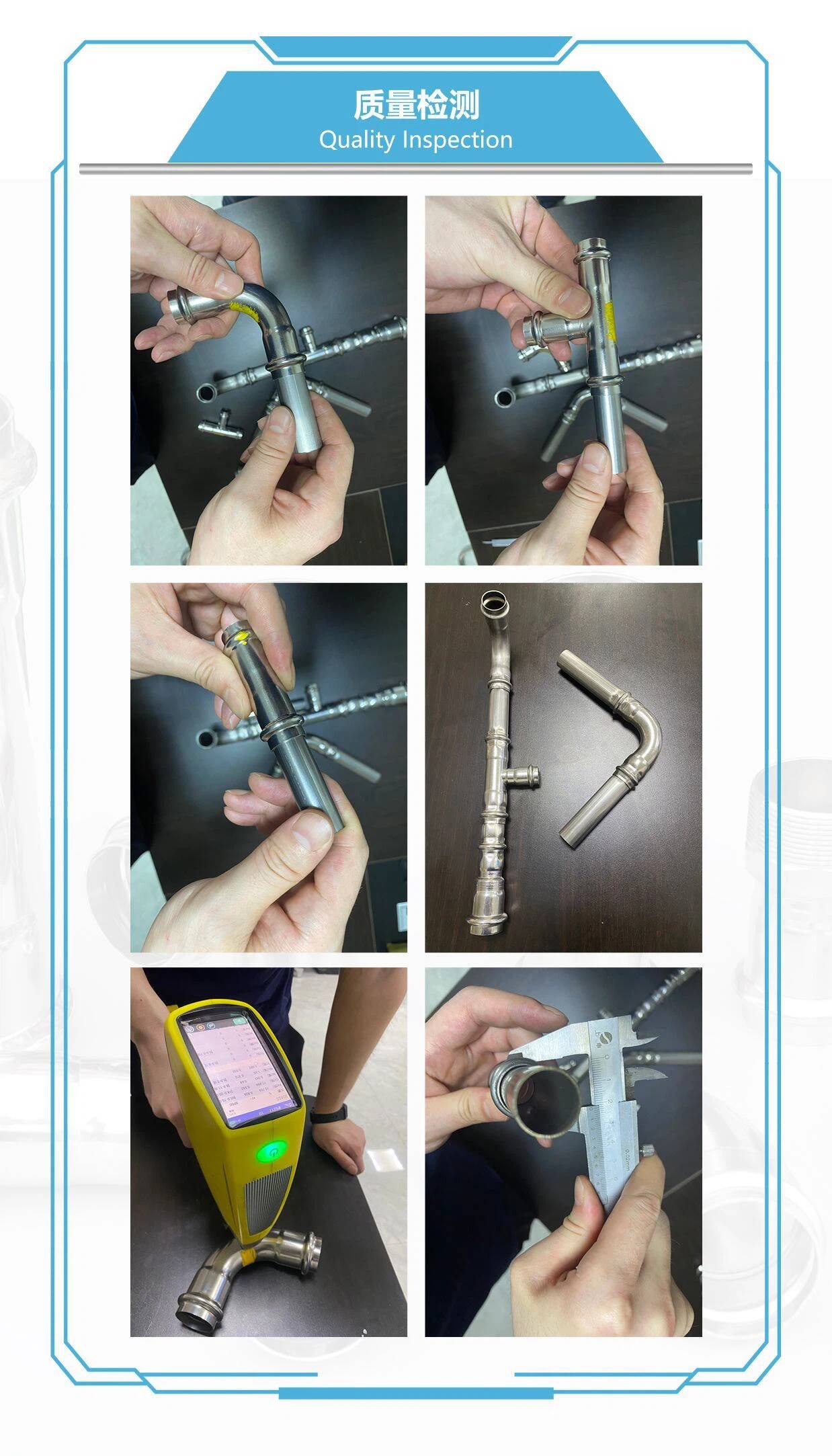
Quality inspection of stainless steel press fittings, including connection and dimensional checks.
Quality control also matters before the fittings leave the manufacturing facility. Checks may include incoming material verification, dimensional inspection, surface condition, connection geometry, marking and packaging. The specific inspection and test requirements should be confirmed for the product configuration and purchase order.
On-site pressure testing is a separate step from factory inspection. The installer should follow the approved project test procedure rather than relying solely on a general product description or on the fact that a fitting has passed a previous inspection.
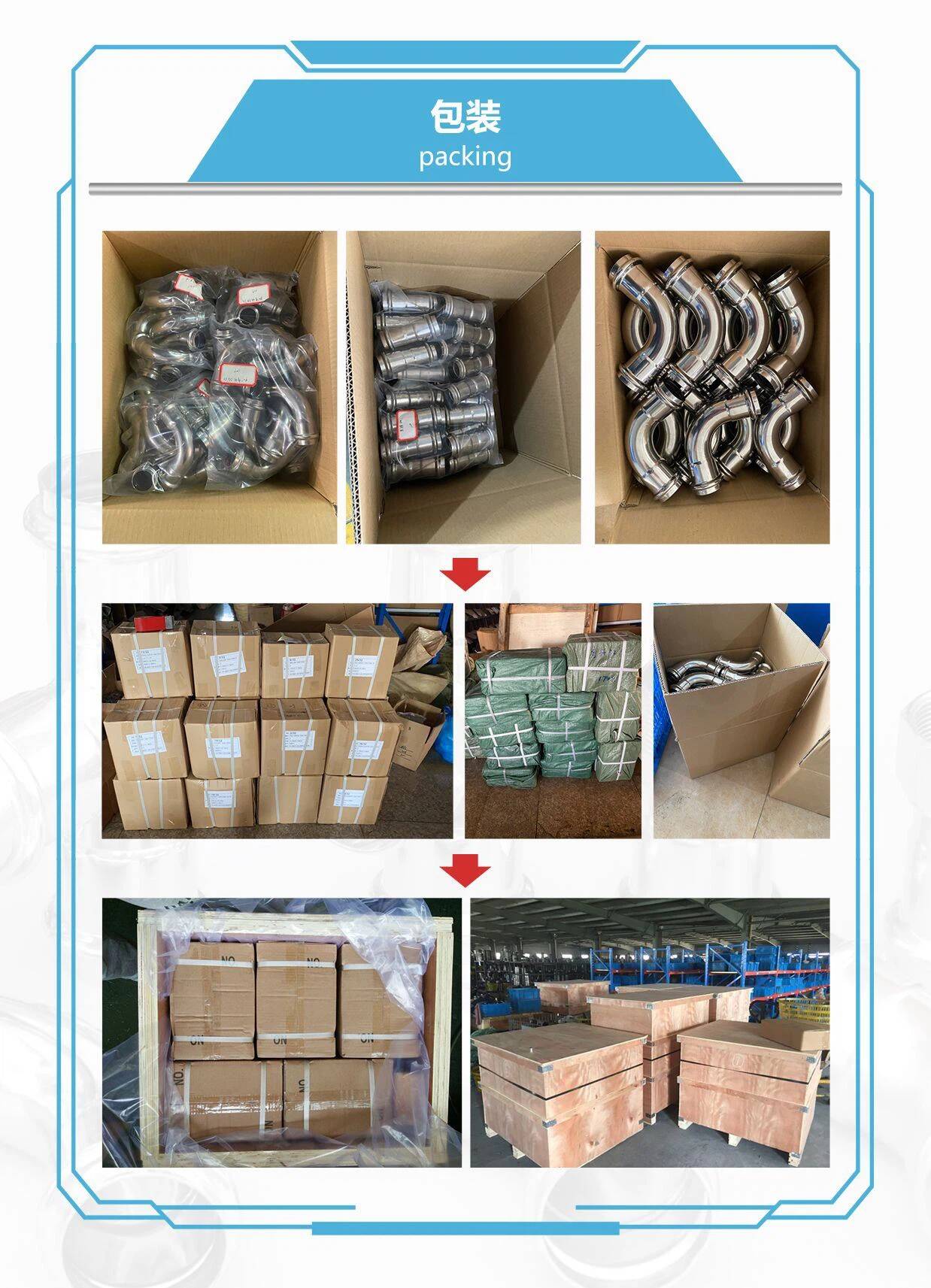
Packaging and shipment preparation for stainless steel press fittings.
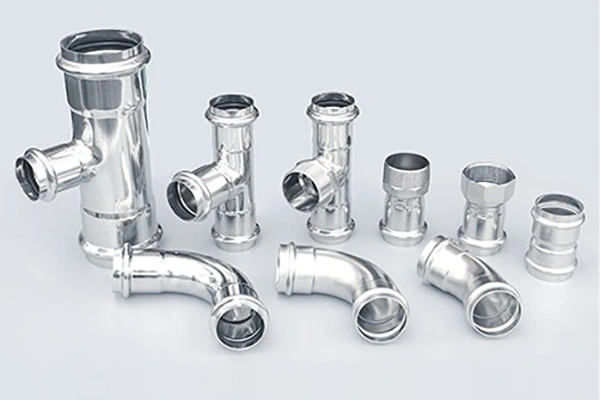
Press-fit stainless steel components may be considered for compatible water supply, building services and industrial piping systems. Whether a reducing elbow is appropriate depends on the actual medium, system design, required connection sizes and the standards governing the project.
For a Stainless Steel Press 90DEG Red Elbow, project teams should check several points before procurement:
● Confirm the two nominal connection sizes and the required 90-degree configuration.
● Verify the stainless steel grade and gasket material against the transported medium.
● Check the press profile and tool compatibility with the specified piping system.
● Confirm applicable operating limits, documentation and inspection requirements.
● Review packaging and handling needs to protect the fittings before installation.
These checks help align the selected fitting with the real installation conditions. Wenzhou Lianhe Valve Fitting Co., Ltd. manufactures stainless steel press fittings and related piping components. Project-specific dimensions and requirements should be confirmed with the supplier before an order is finalized.
A: It changes the direction of a pipe by 90 degrees while connecting two different nominal sizes. The selected dimensions must match the piping layout.
A: A press-fit connection is formed with compatible mechanical pressing tools and does not require welding during the pressing operation. Each method must be selected according to system requirements and applicable codes.
A: The product page lists 304, 304L, 316 and 316L options. Confirm the required grade and its availability for the chosen size before ordering.
A: The gasket forms part of the sealing system. Its compatibility with the transported medium, temperature and operating conditions should be verified before installation.
A: Check the pipe dimensions, cut quality, burr removal, sealing element, insertion depth, alignment and compatibility of the pressing tool with the fitting system.
A: Follow the approved project procedure and local regulations to determine the required test method and acceptance criteria for the completed piping system.
A: Provide the required connection sizes, stainless steel grade, gasket preference, connection profile, quantity and any applicable standards or documentation requirements.
A: No. Suitability depends on the medium, operating conditions, pipe dimensions, sealing material and compatibility with the selected press system. Confirm these factors before use.
As piping projects continue to focus on installation quality and system compatibility, fitting selection remains an important part of the planning process. Checking geometry, material, seals and installation requirements early helps reduce mismatches between design documents and site conditions.
-